
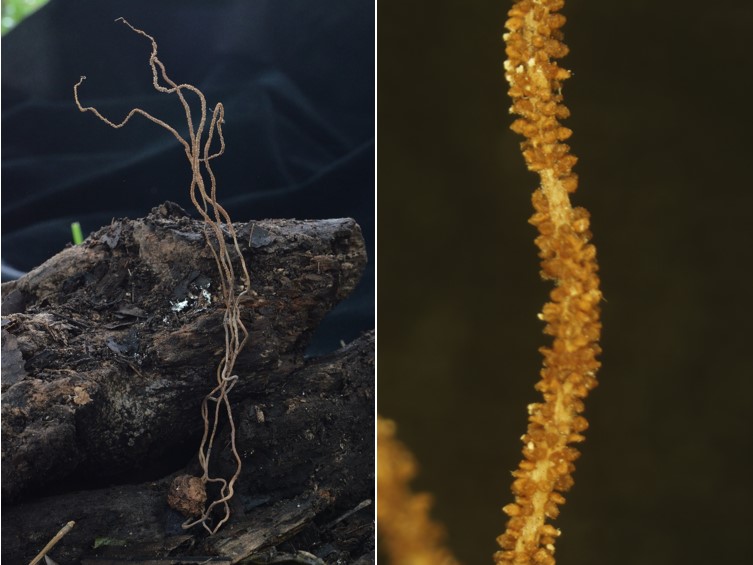



Holotype:
THAILAND, Chiang Mai Province, Ban Huathung community forest, 23 Sep. 2010, K. Tasanathai, P. Srikitikulchai, A. Khonsanit, K. Sansatchanon, holotype BBH 29988, ex-type living culture BCC 44497.
Habitat:
Leaf litter.
Host:
Lepidoptera larva.
Description:
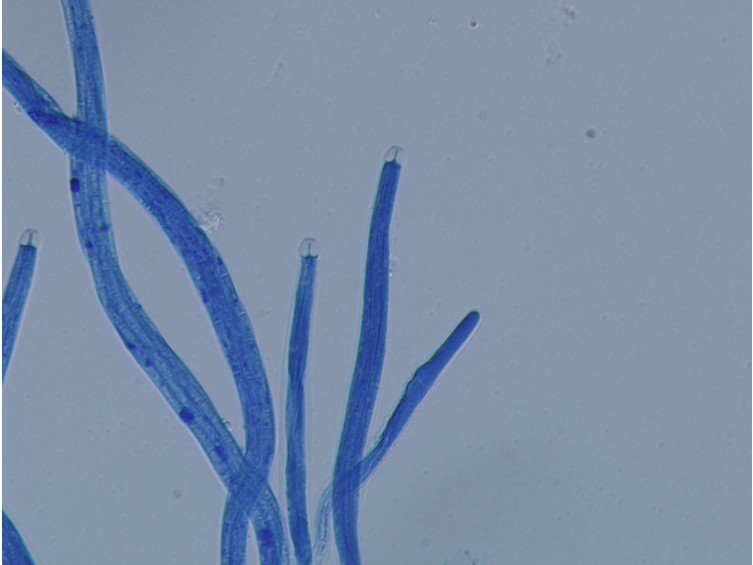
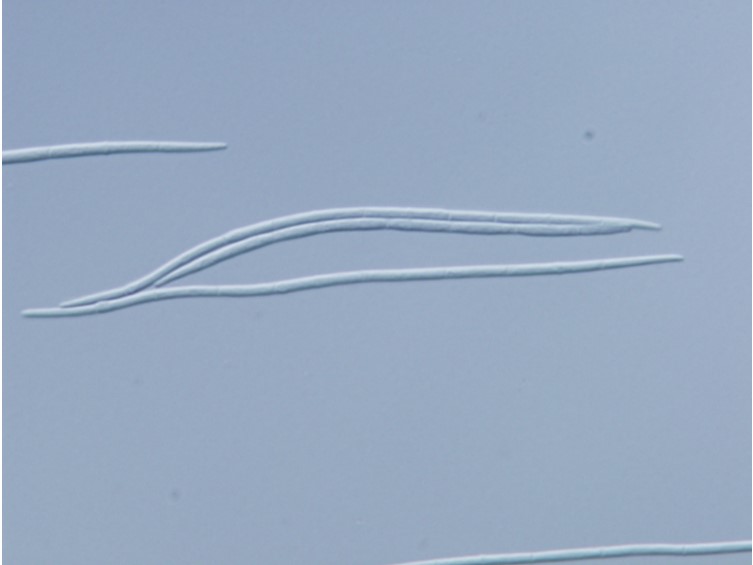
Stromata solitary to several, cylindrical, 50-100 mm long, 1-2 mm wide, yellow to brown, with a sterile tip. Perithecia superficial, densely packed covering lower part to apex of stroma, ordinal in arrangement, subglobose to ovoid, 390-450 × 270-320 μm. Asci hyaline cylindrical, 8-spores, 162.5-200 × 4-5 μm. Ascospores filiform, 130-187.5 × 2-3 μm, remain whole after discharge, with septation. Asexual morph: Hirsutella at the terminal part of stromata. Conidiogenous cells monophialidic with an inflated base, 5-10 × 3-5 μm, tapering to a thin neck, 3 to 10 μm long, 1 μm wide. Conidia hyaline, smooth, fusiform, 5 × 2 μm.
Culture characteristics:
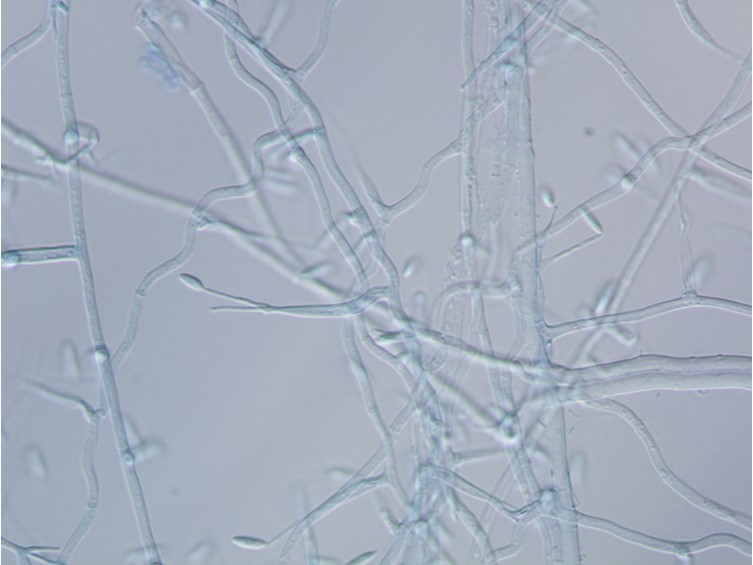
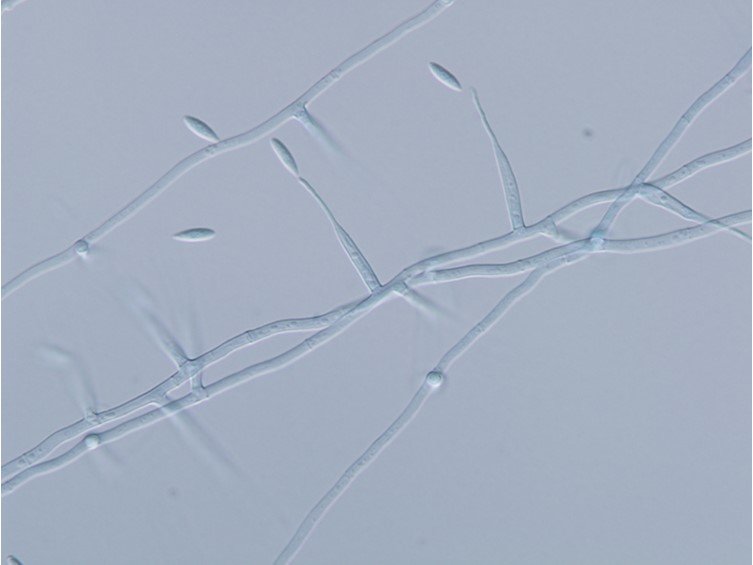
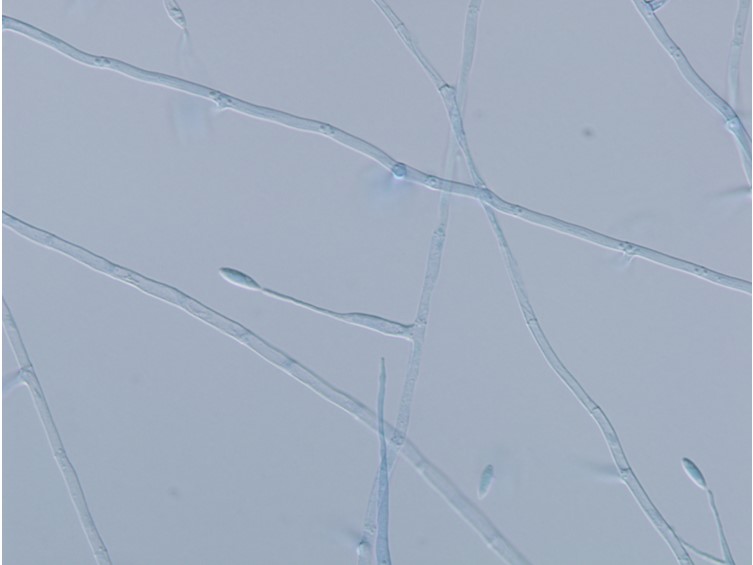
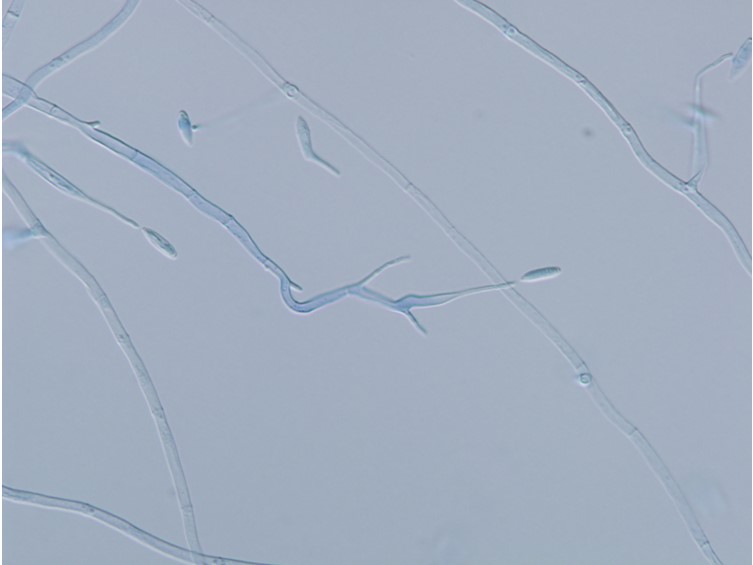
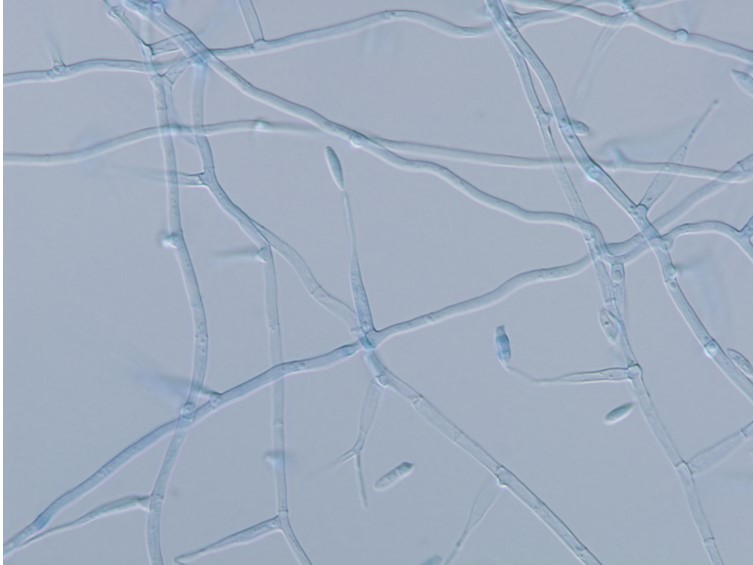
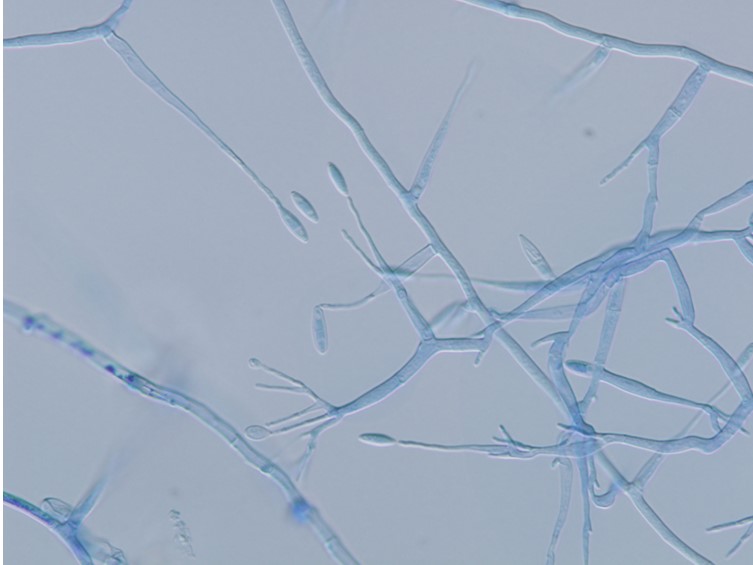
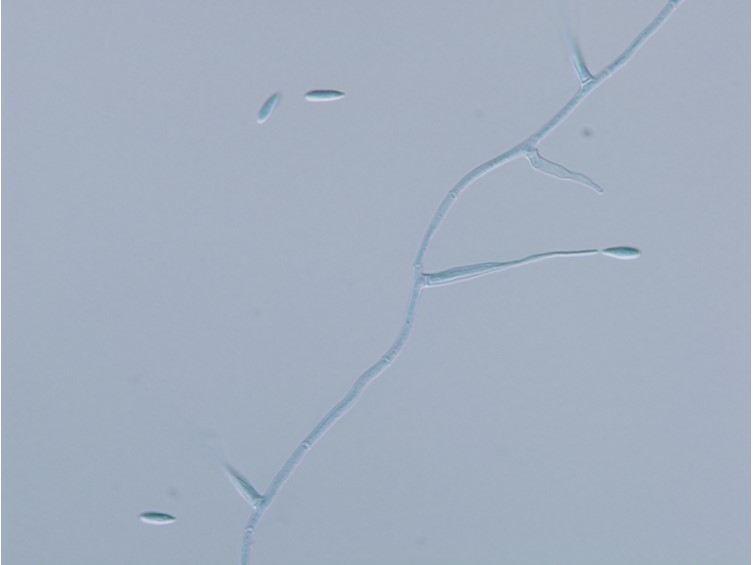
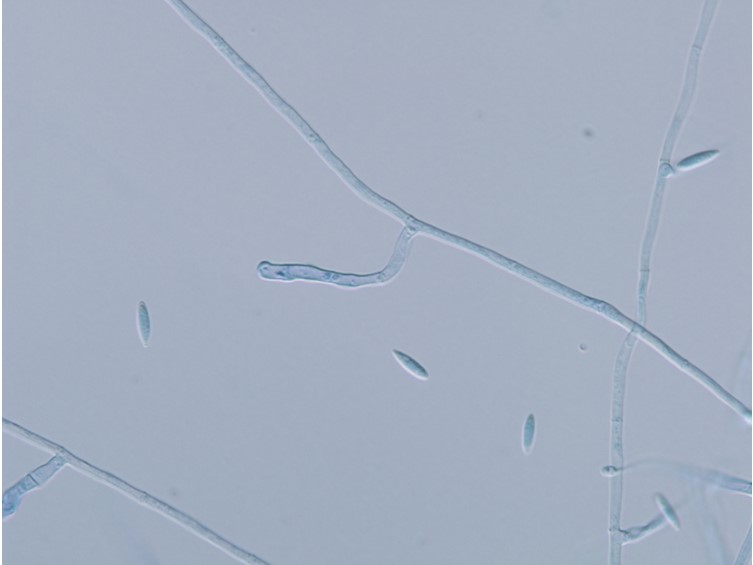
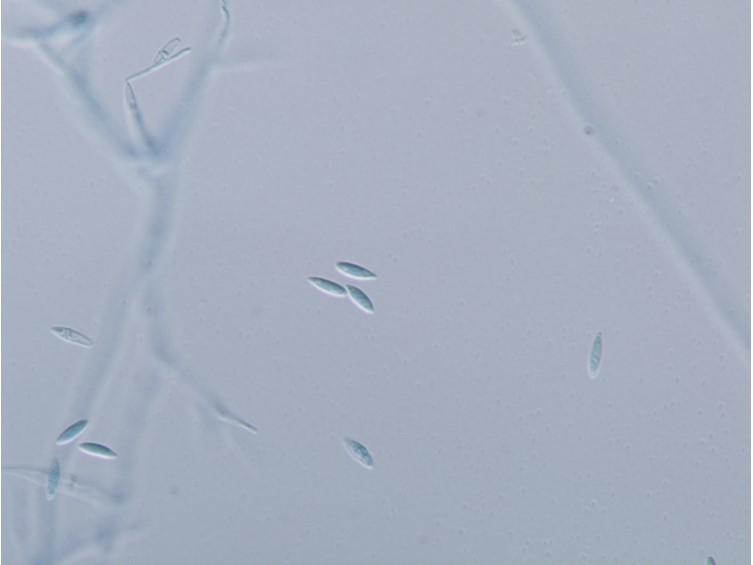
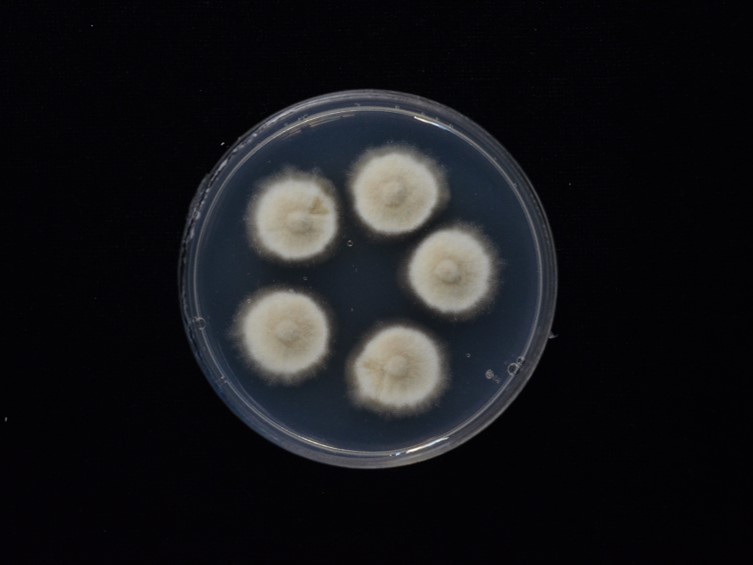
Colonies on PDA attaining a diam of 12–14 mm in 20 d at 20 °C, funiculose, cream to brown bearing conidiogenous cells and conidia of the Hirsutella asexual morph, reverse dark brown. Conidiogenous cells mono or polyphialidic, arising from hyphae laterally or terminally, hyaline, cylindrical with tiny warts, 20–30 μm long, 2–3 μm wide at the base gradually tapering to a thin neck, 1 μm wide with twists in a helix at the apex. Conidia hyaline, smooth, fusiform, arising from the apex of the neck singly, 8–10 μm long, 2–3 μm wide.
Reference:
Tasanathai K, Thanakitpipattana D, Himaman W, et al. (2020). Three new Ophiocordyceps species in the Ophiocordyceps pseudoacicularis species complex on Lepidoptera larvae in Southeast Asia. Mycological Progress 19: 1043–1056.
DOI: https://doi.org/10.1007/s11557-020-01611-6Species |
Strain |
Compound |
Pubchem CID |
Biological activity |
Reference |
|---|
|
Strain |
|---|