
Description:
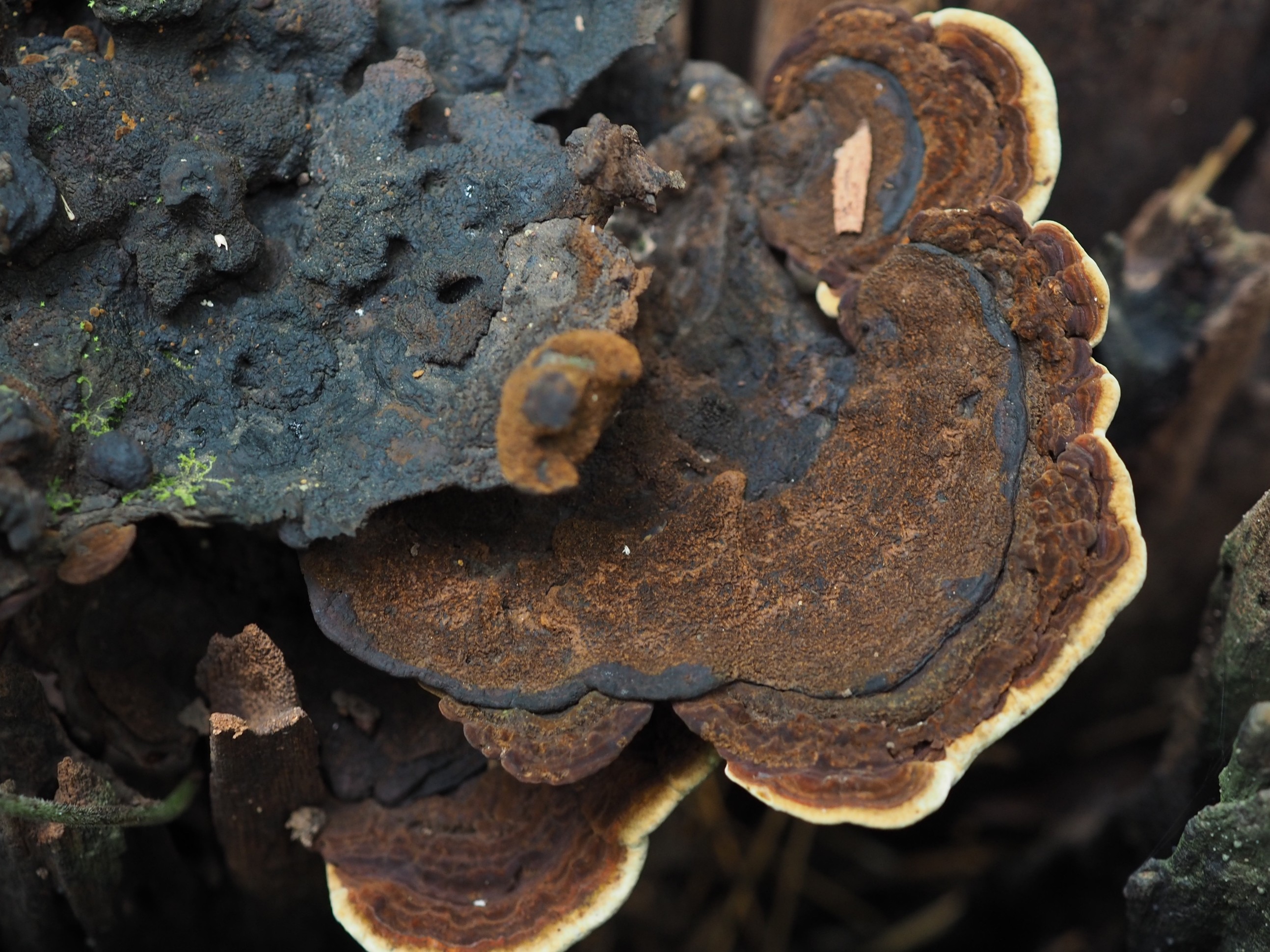
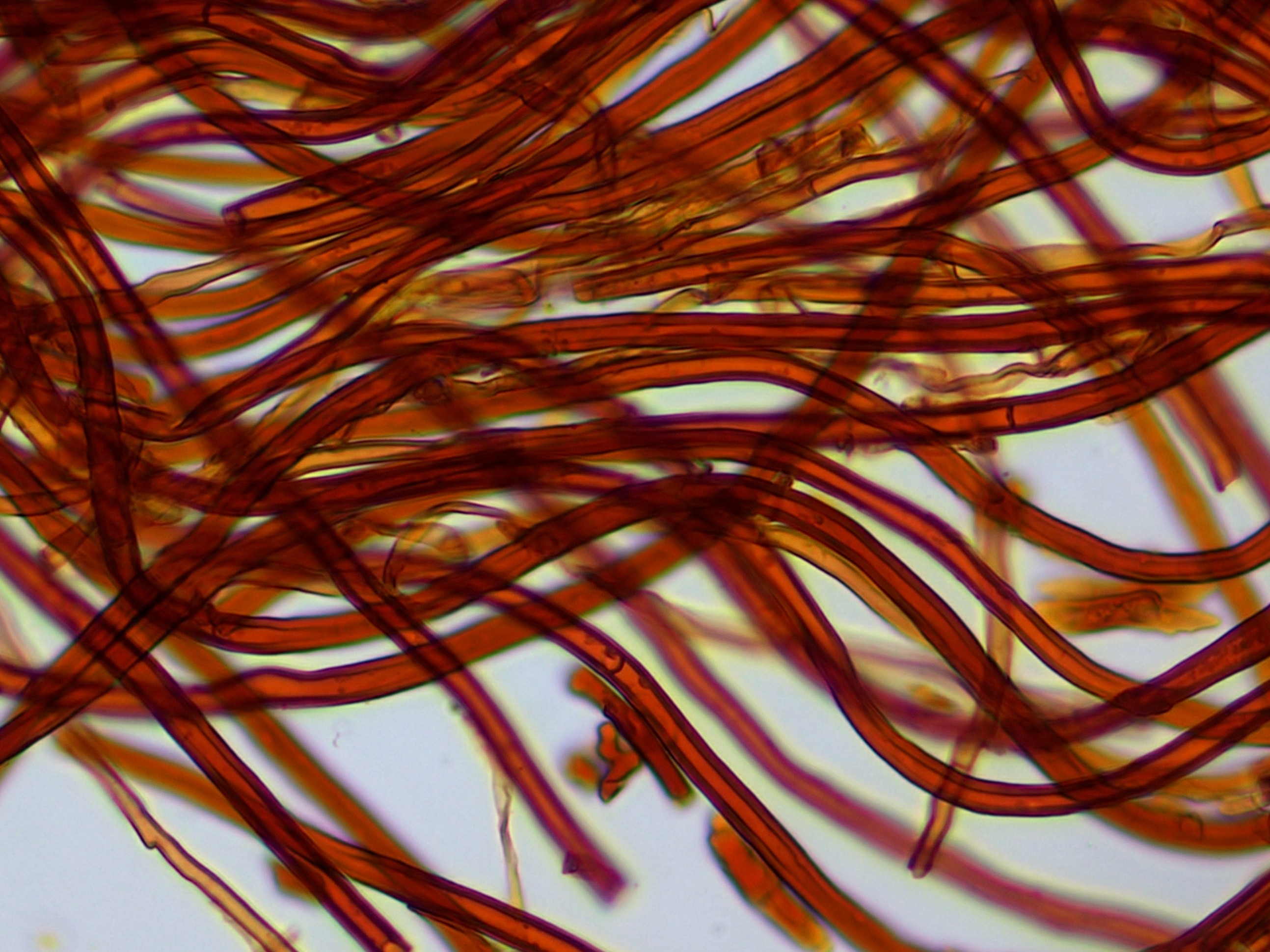
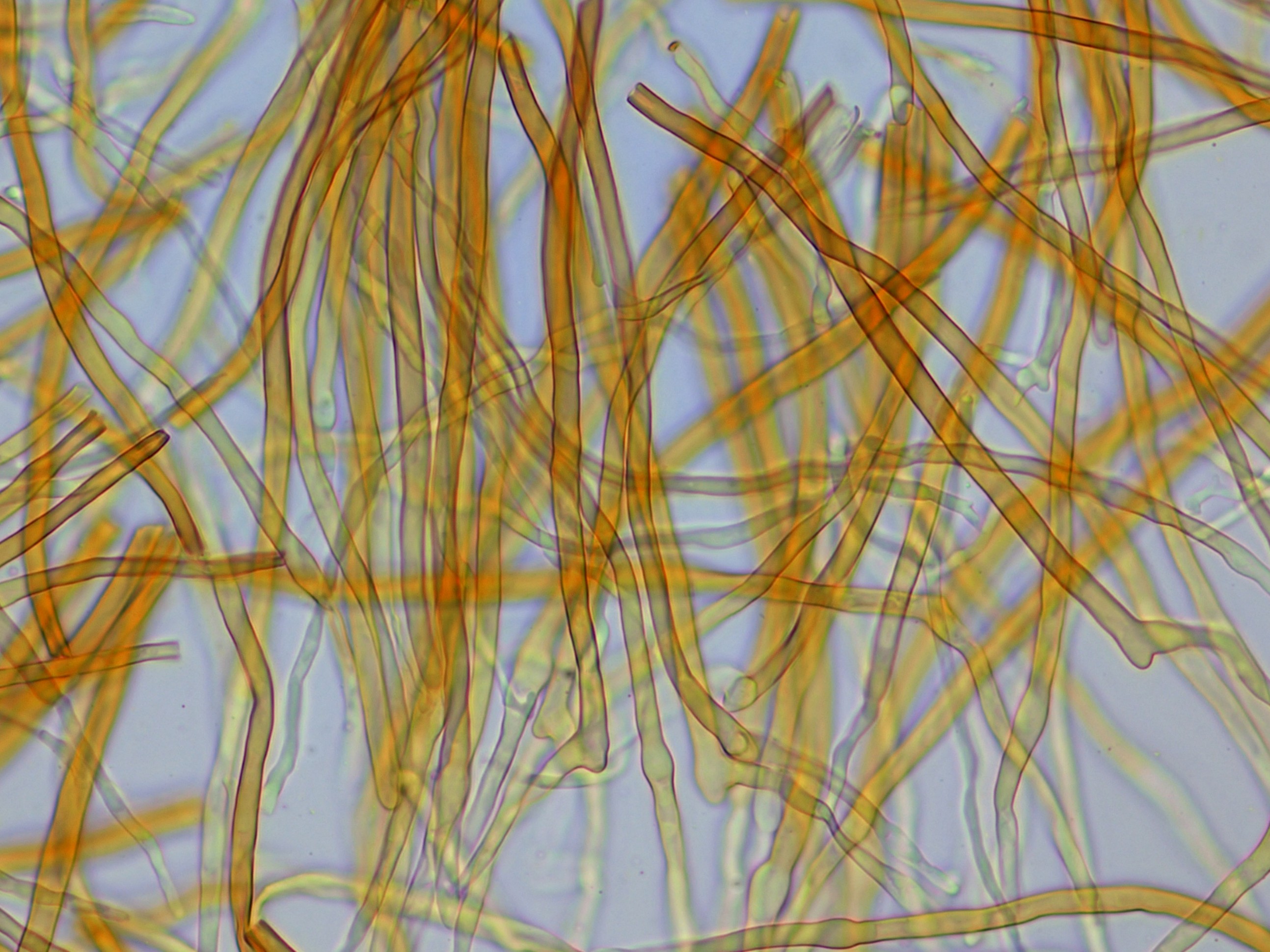
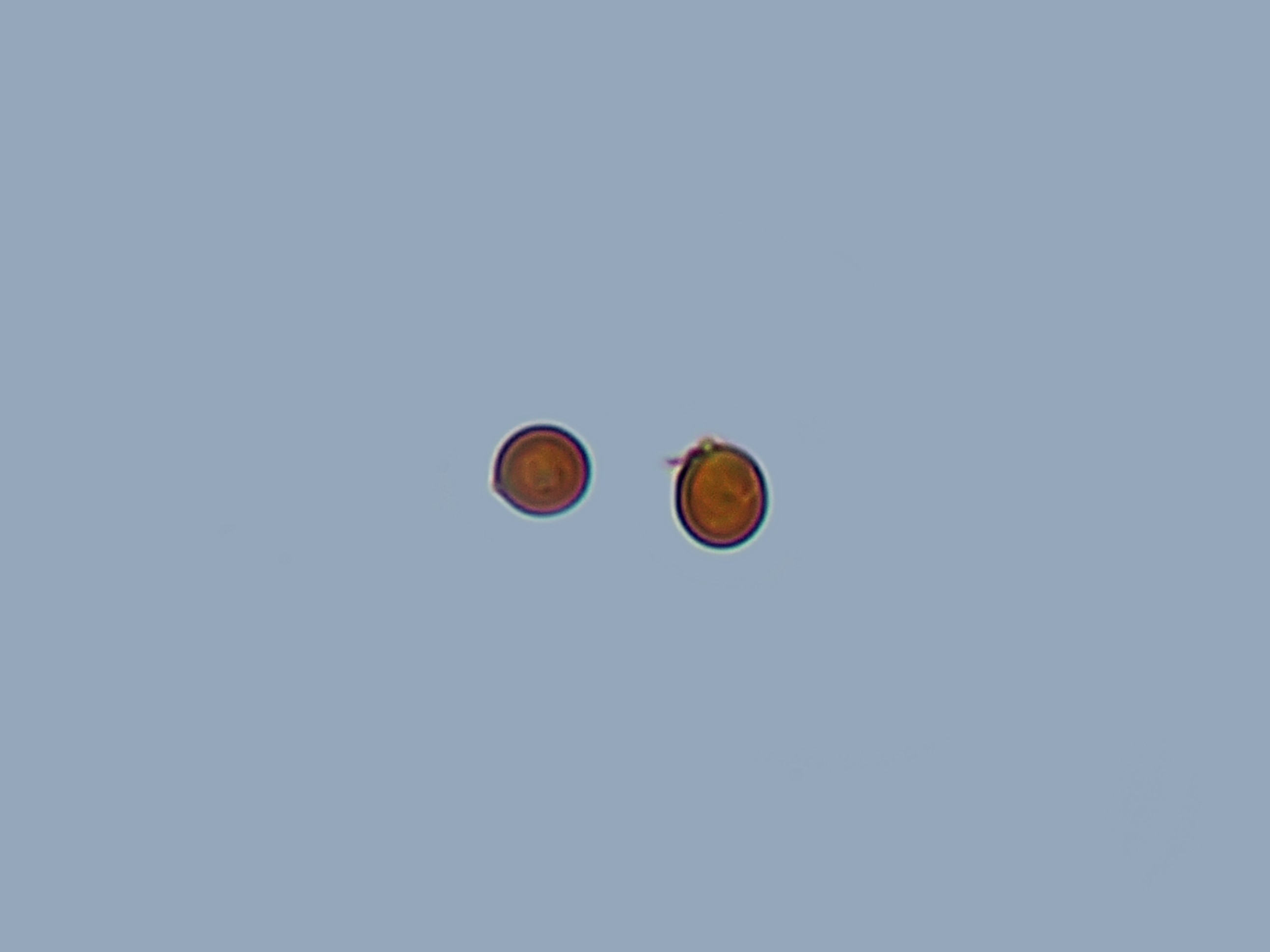
Basidiomata annual, small to medium-sized, typically clustered; soft and coriaceous when fresh, becoming firm and light in weight upon drying; habit effused-reflexed. Pileus 78–92 mm long, 20–35 mm broad, 3–5 mm thick, sessile, circular to irregular in outline, adnate and covering the substrate; applanate, lacking concentric zonation, surface irregularly wrinkled, glabrous, creamish-white, bruising light brown, tissue turning more brownish in KOH; margin entire to slightly undulate. Hymenophore poroid. Pores 7–8 per mm, circular to subangular, often oblique near the attachment zone; surface cream-colored, changing to light brown when bruised; tubes up to 3 mm long, concolorous with the pore surface. Context homogeneous, 1.5–2 mm thick, creamish-white, firm; texture corky when dry. Odor indistinct. Basidiospores 4–5 × 3–4 µm, globose to subglobose. Hyphal system dimitic, generative hyphae 2.5–7.5 µm wide, hyaline to yellow, non-septate, branch, skeletal hyphae 2.5–7.5 μm, wide, brown to dark brown, septate, branch
Reference:
Vinjusha N and Arun Kumar TK (2021). Neofomitella guangxiensis and Sebipora aquosa newly recorded white rot polypores from India. Studies in Fungi6: 307–314.
Species |
Strain |
Compound |
Pubchem CID |
Biological activity |
Reference |
|---|
|
Strain |
|---|