
Description:
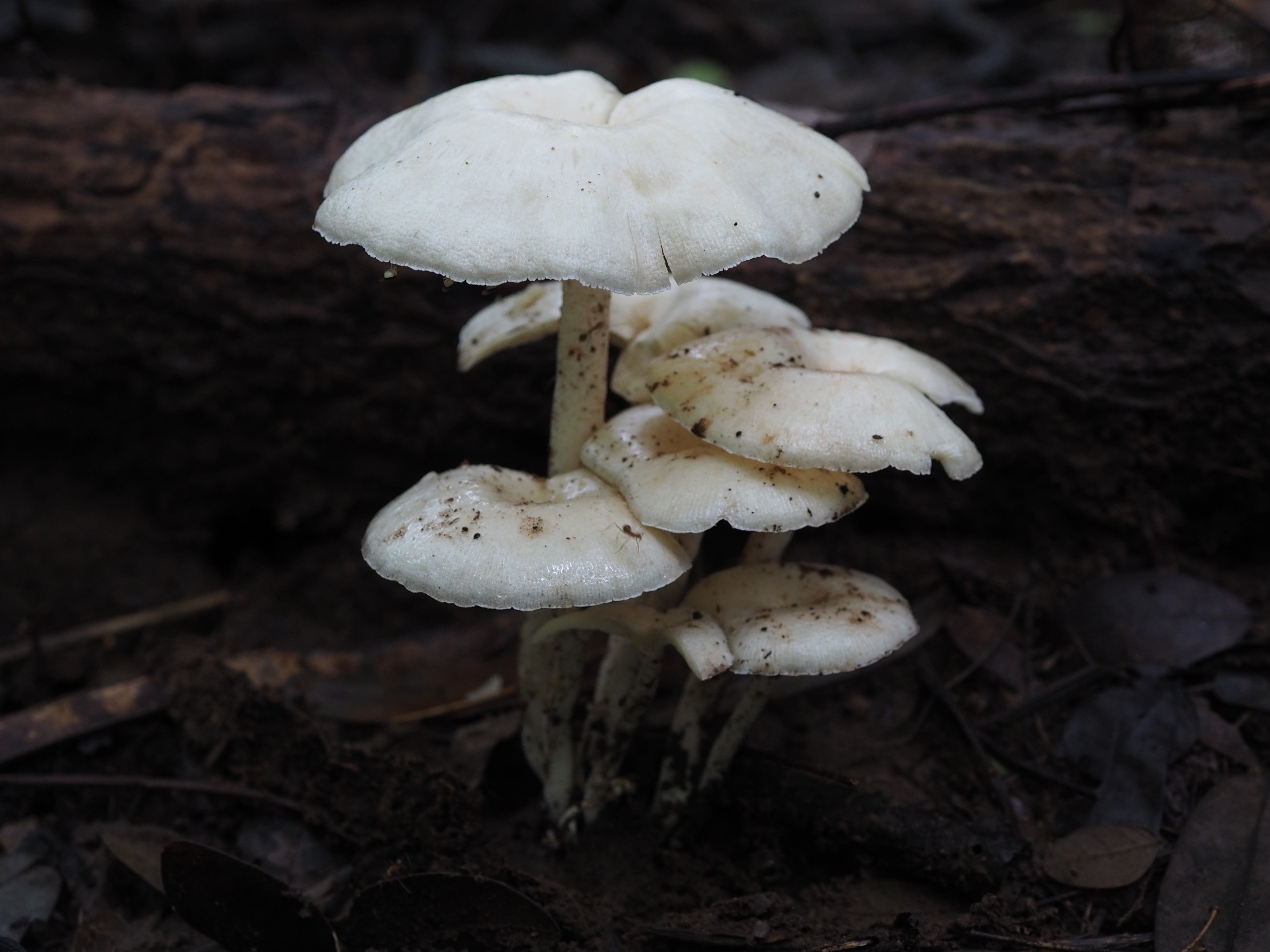
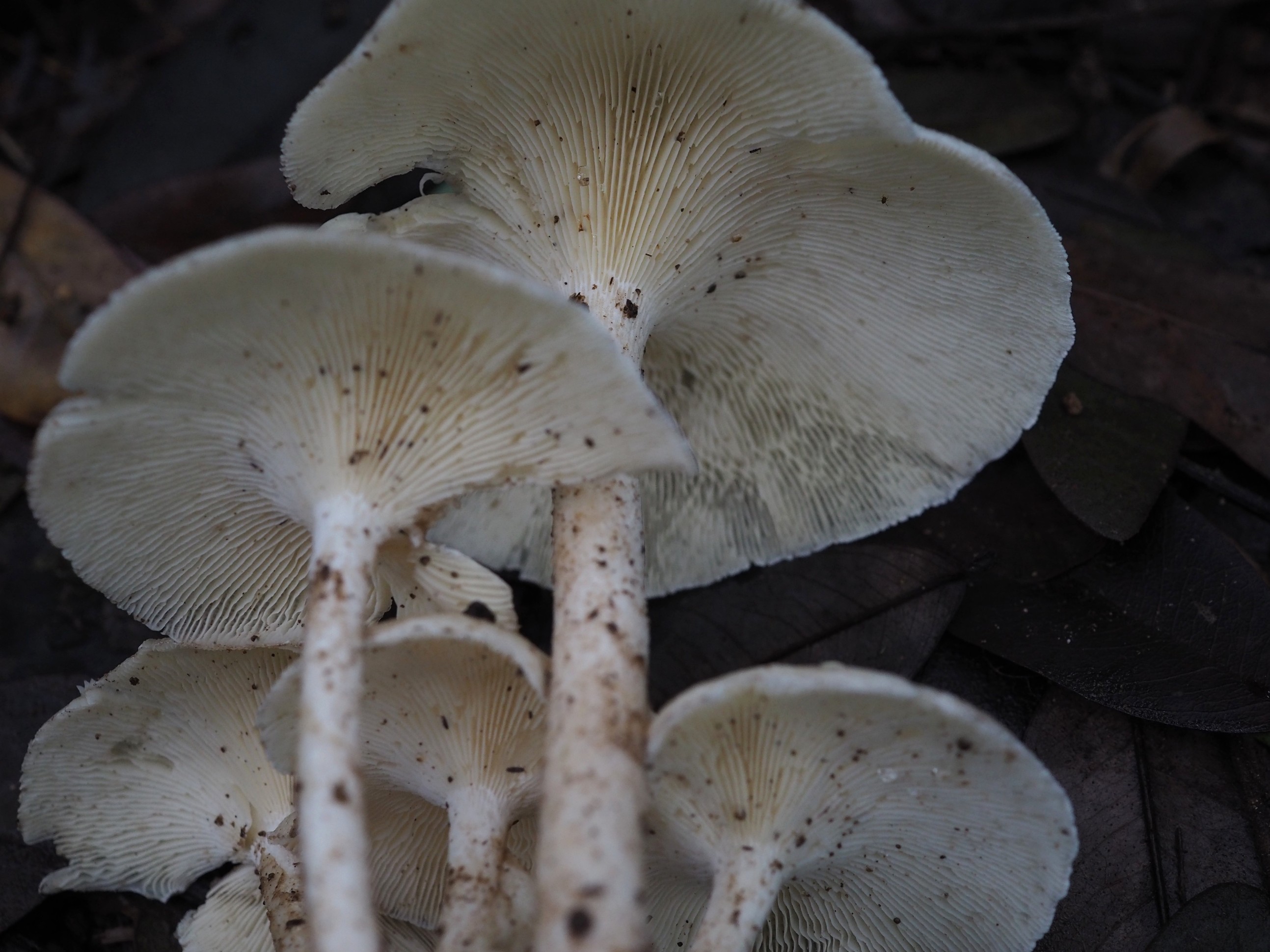
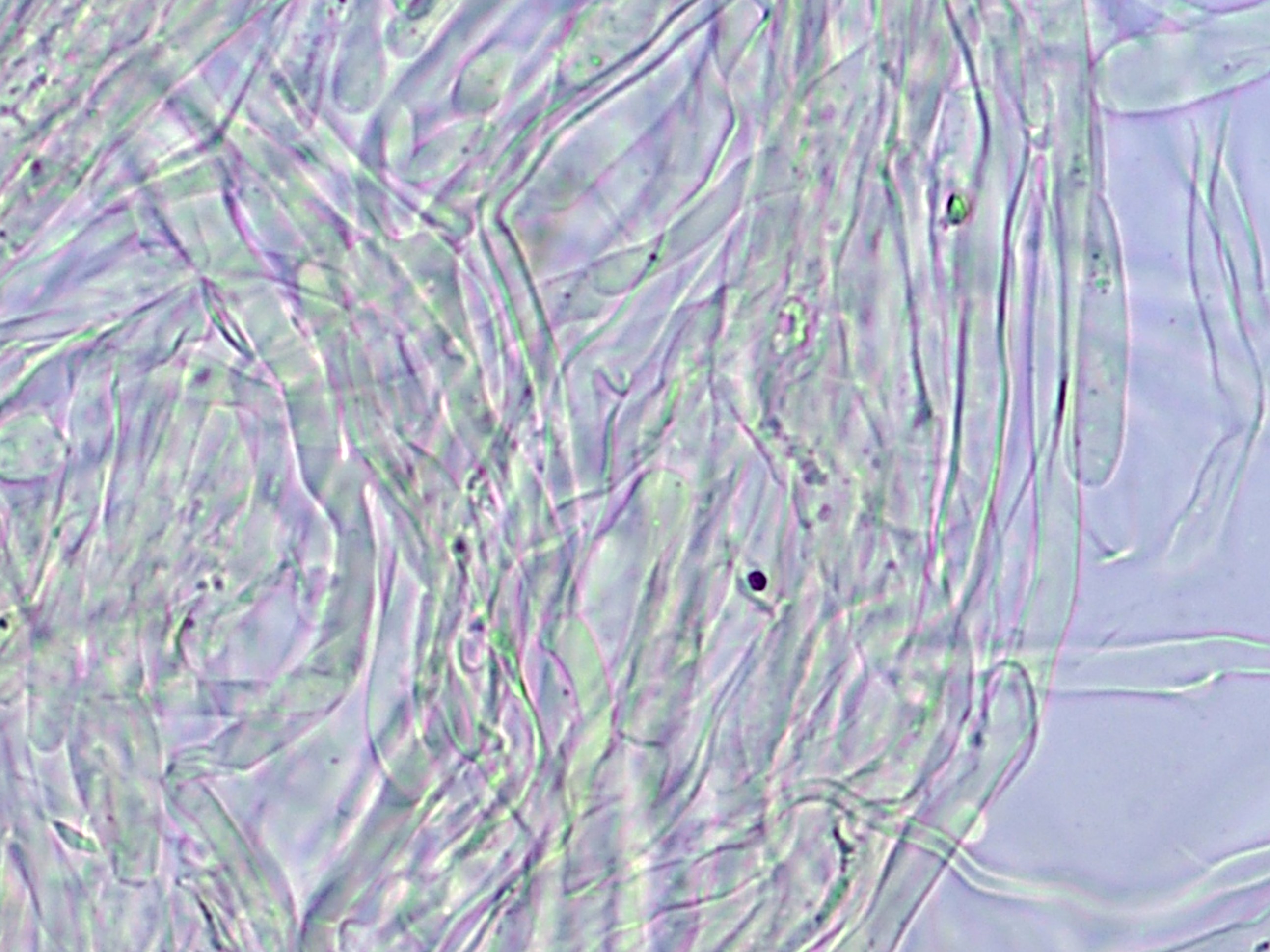
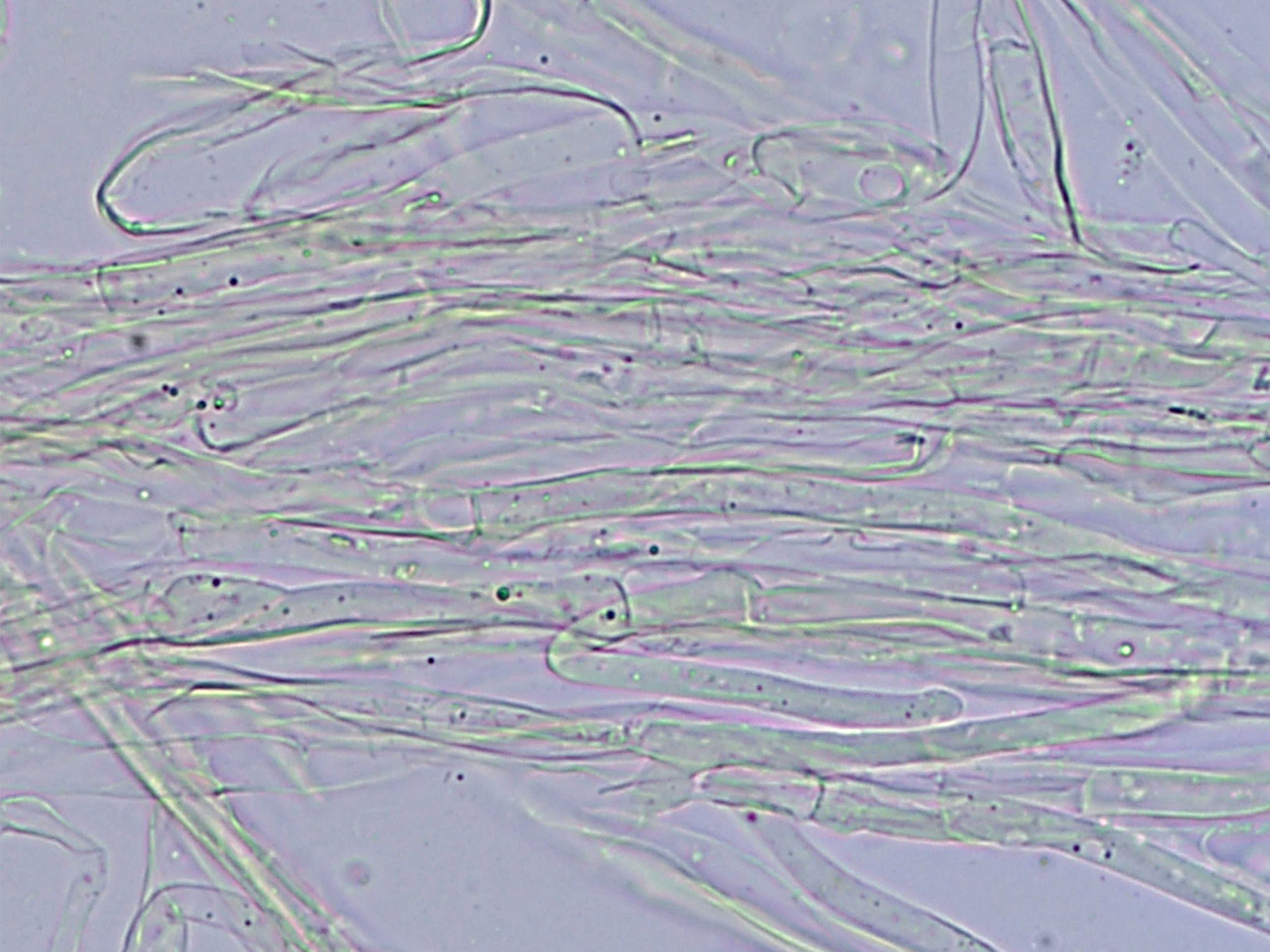
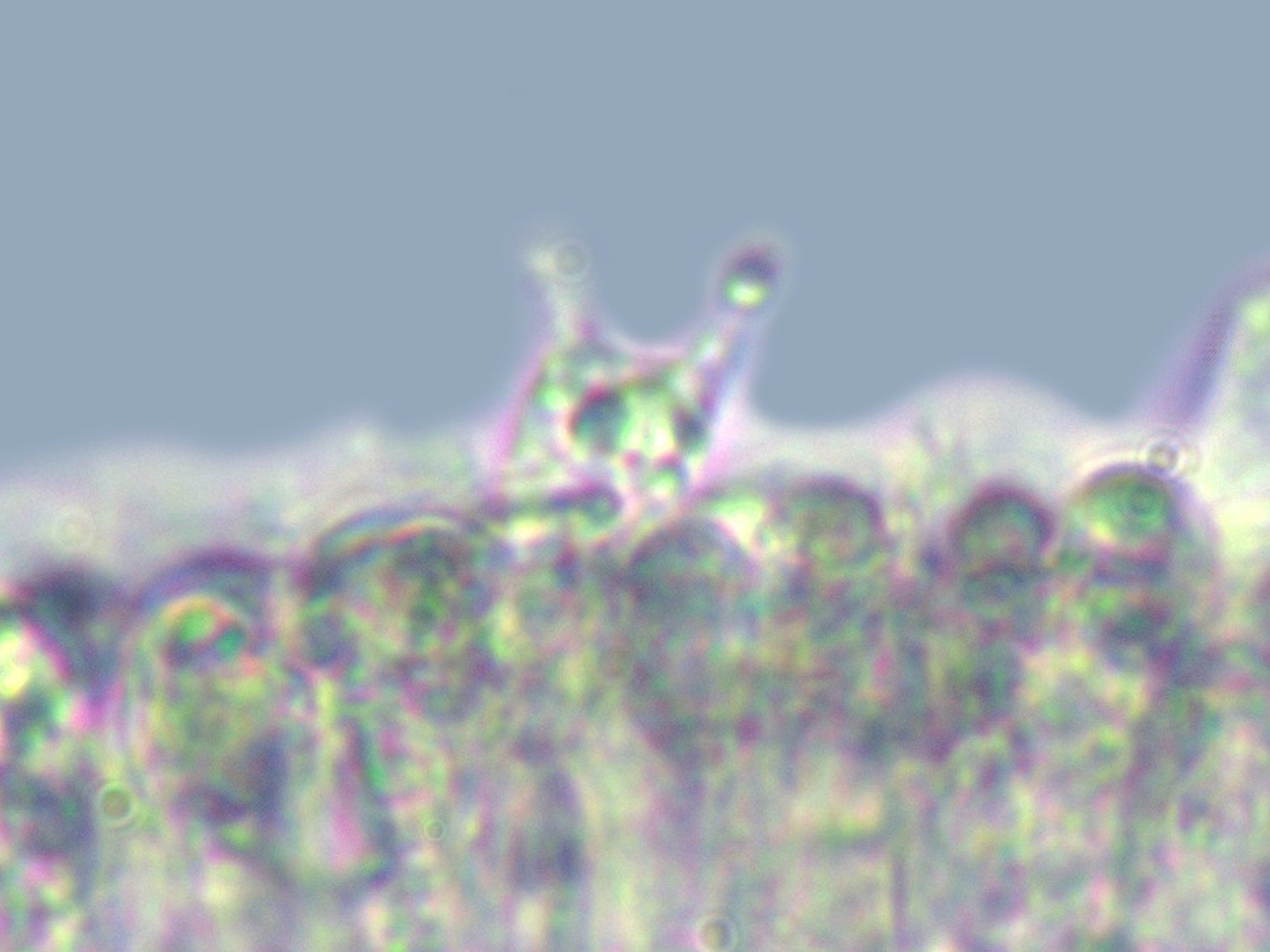
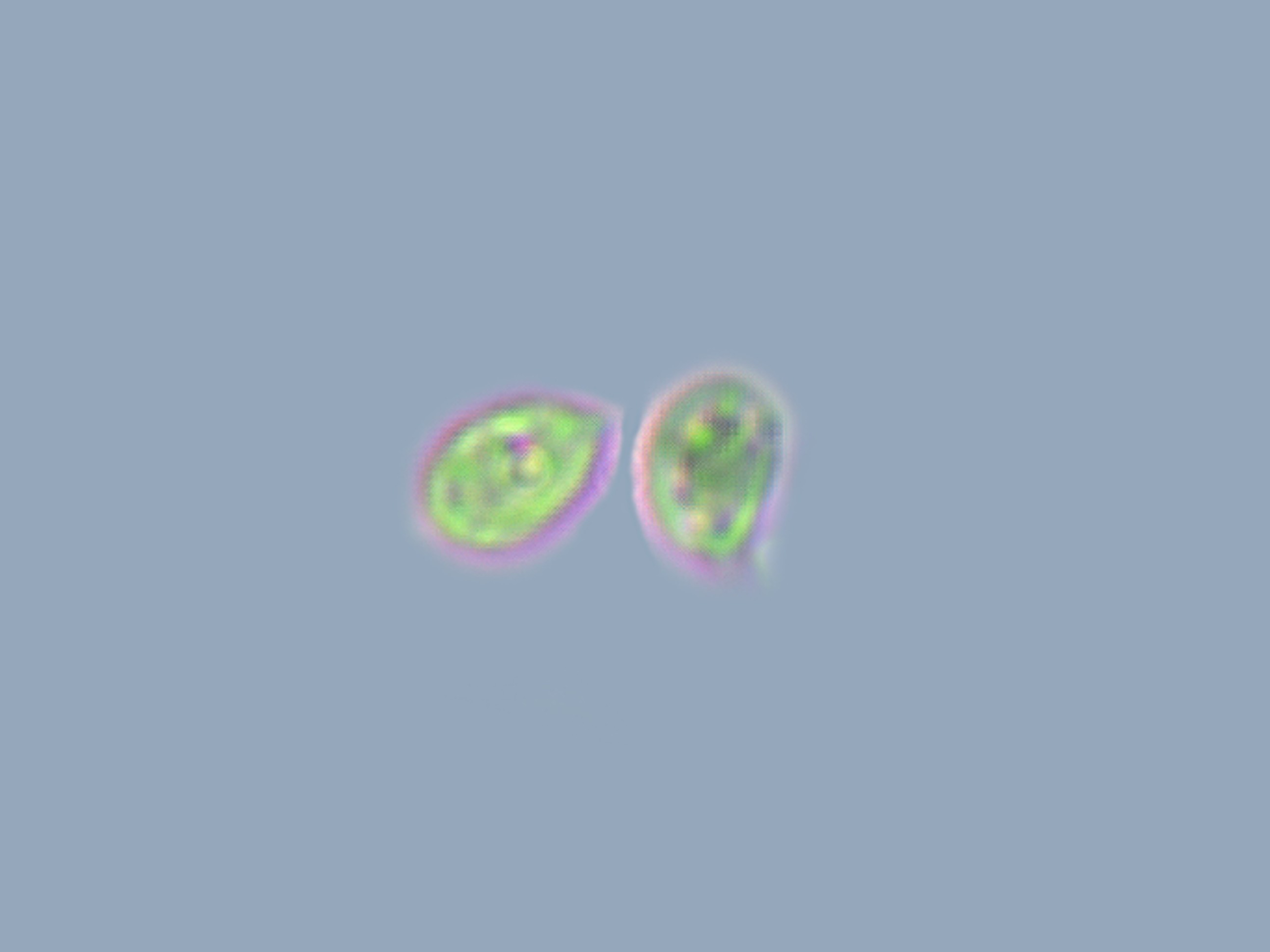
Basidiomata connate, 10–85 mm diam., initially convex, expanding to applanate and often infundibuliform or deeply depressed at the disc; surface ornamented with densely arranged, concentrically disposed fibrillose squamules, most crowded at the center and radiating toward the margin; coloration white to yellowish-white. Margin even to fissile at maturity, bearing whitish fibrillose elements. Lamellae decurrent, white throughout, narrowing distally, up to 2 mm broad, with entire, smooth edges. Stipe central to occasionally lateral, 20–90 × 2.5–10 mm, cylindrical, equal or slightly tapering toward the base; surface white to yellowish-white, either glabrous or adorned with whitish to yellowish fibrillose covering. Annulus absent. Context white in pileus and stipe, firm and coriaceous to leathery in consistency; hyphal system dimitic, composed of generative and skeletal elements. Generative hyphae hyaline, thin- to moderately thick-walled, with clamp connections, frequent throughout tissues. Basidiospores 5–6 × 3–4 μm, broadly ellipsoid to ellipsoid, occasionally subelongate, smooth, thin-walled, hyaline, inamyloid. Basidia 16–26 × 5–6 μm, clavate, thin-walled, hyaline, bearing four sterigmata, sterigmata reaching up to 5 μm in length. Pileipellis 2.0–8.8 µm wide, branched and septate, hyaline to pale yellow, skeleton hyphae 1.5–5.0 µm. Stipitipellis 2.5–10.0 µm wide hyaline to yellow, branch, septate.Clamp connections abundant in all tissues.
Reference:
Kumla J, Kaewnunta A and Suwannarach N (2025). Lentinus saisamorniae (Polyporaceae, Polyporales), a new edible macrofungus from northern Thailand. Phytotaxa705: 149–161.
Species |
Strain |
Compound |
Pubchem CID |
Biological activity |
Reference |
|---|
|
Strain |
|---|