
Description:
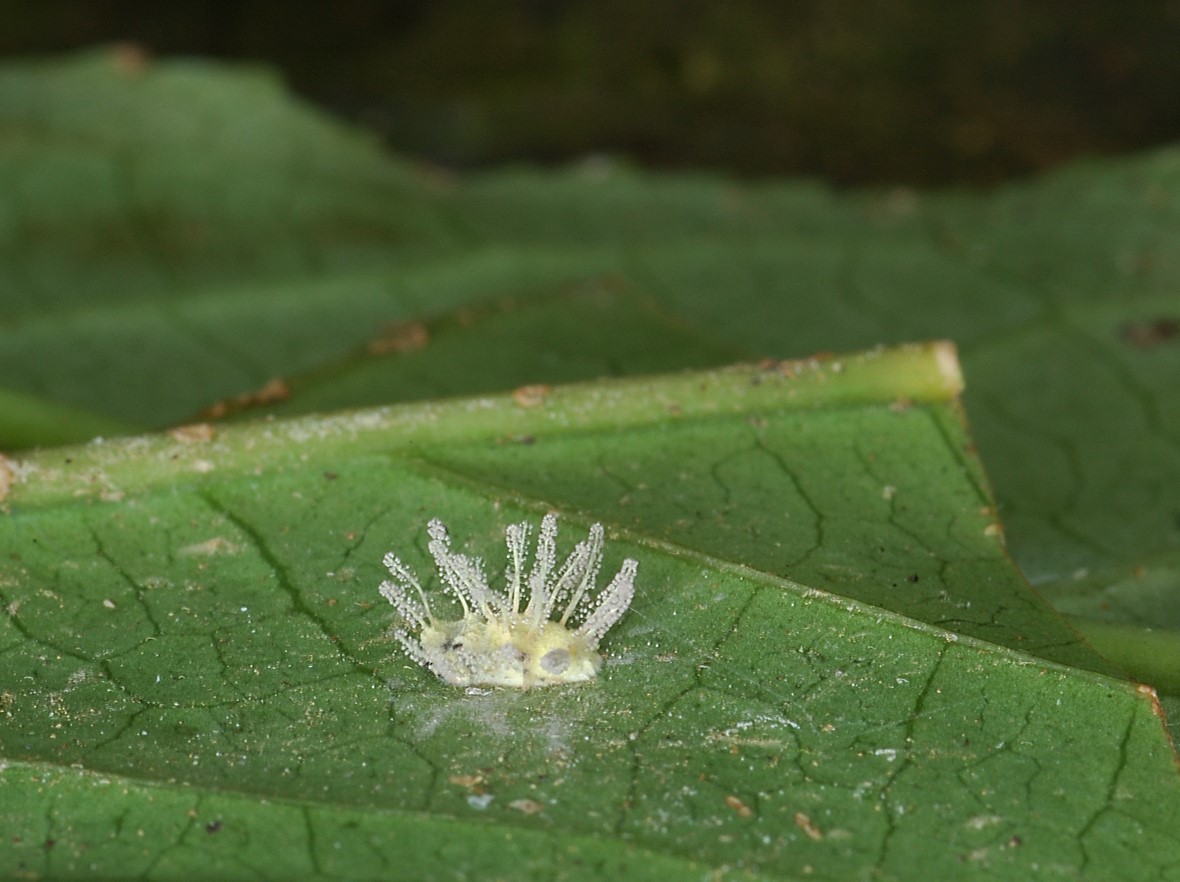
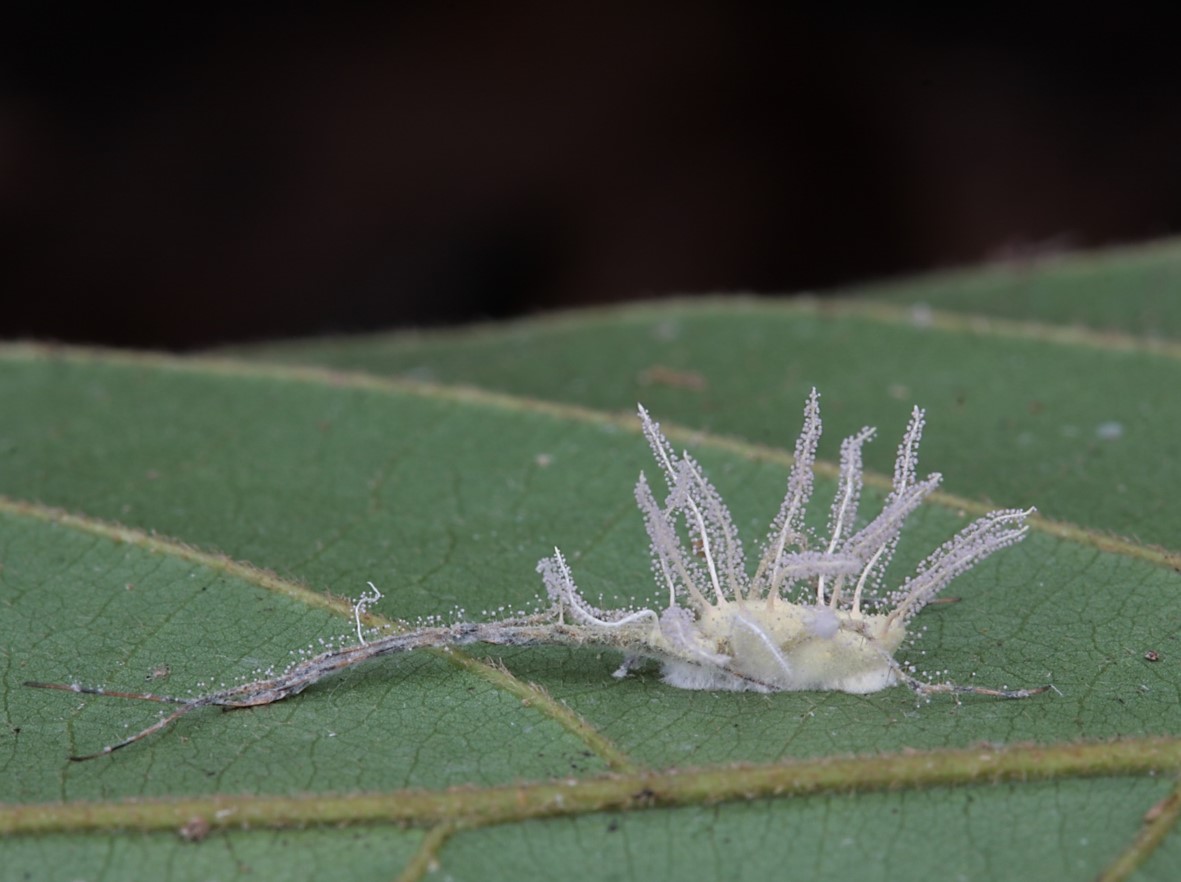
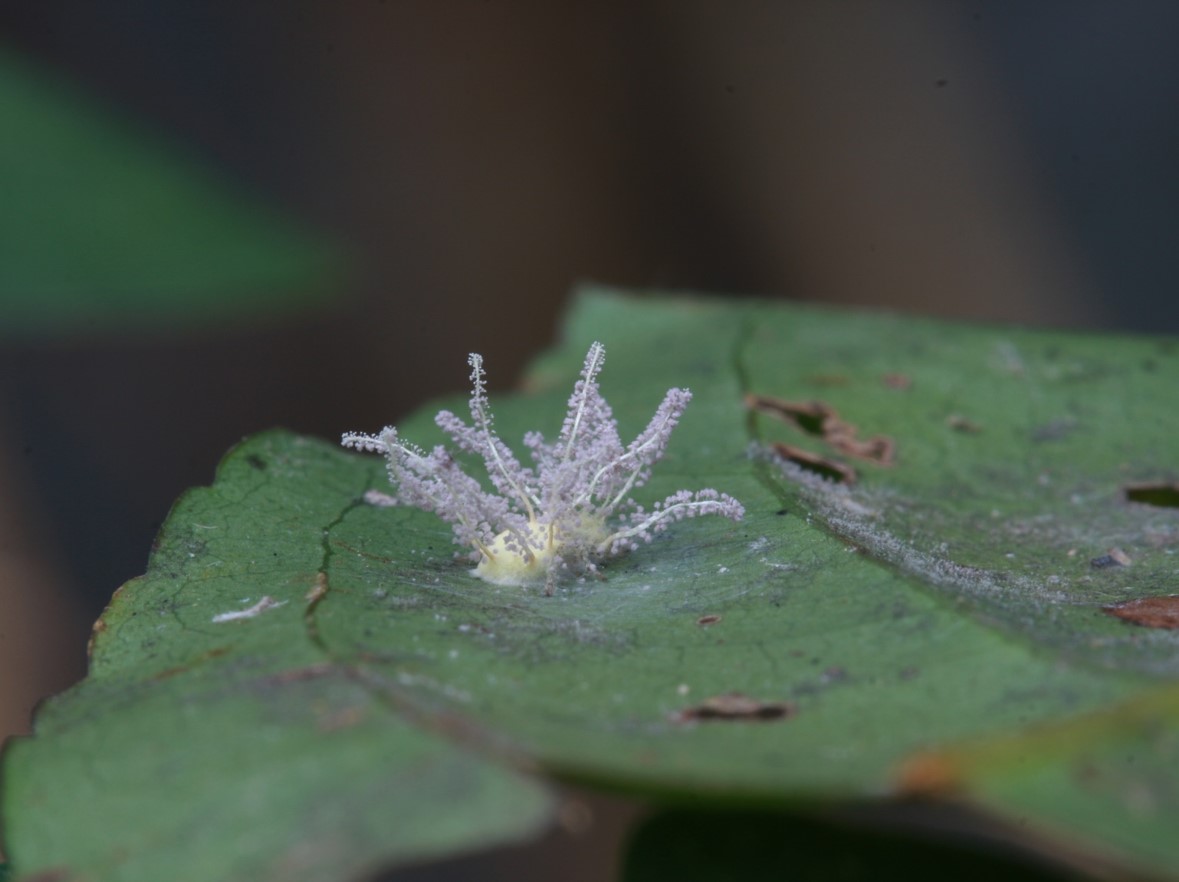
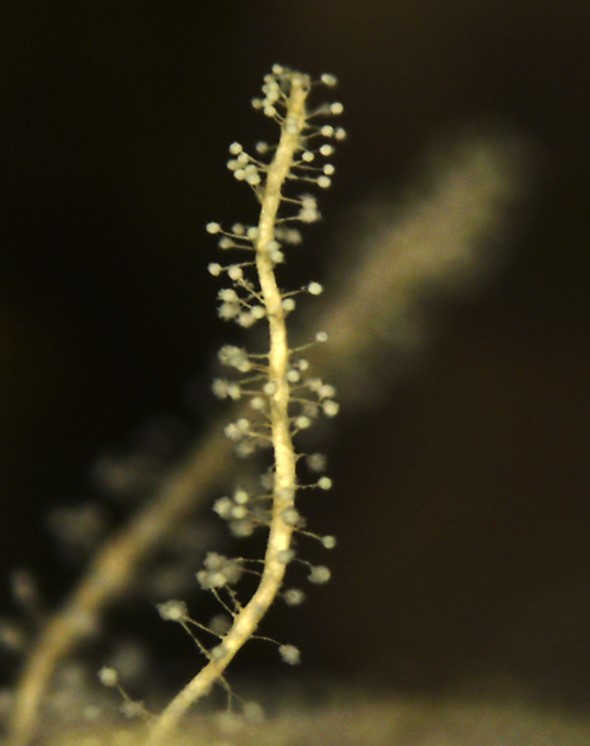
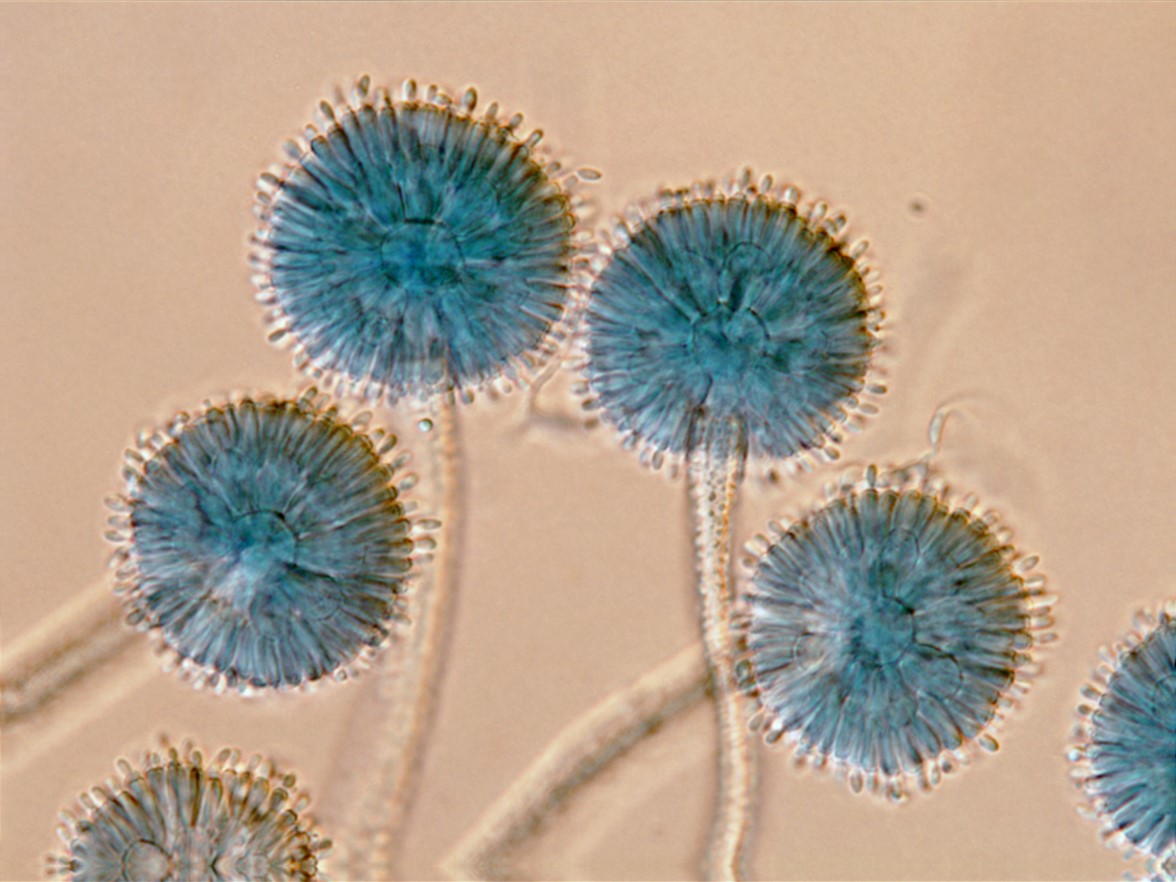
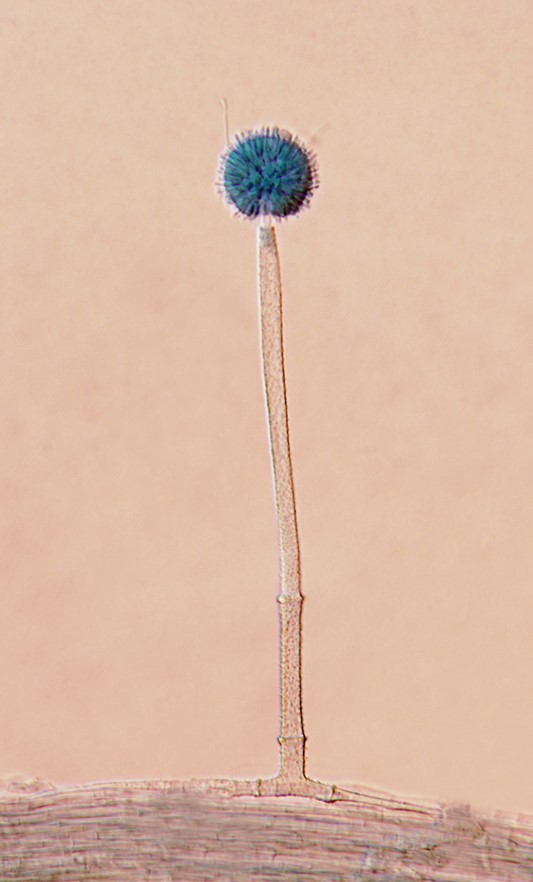
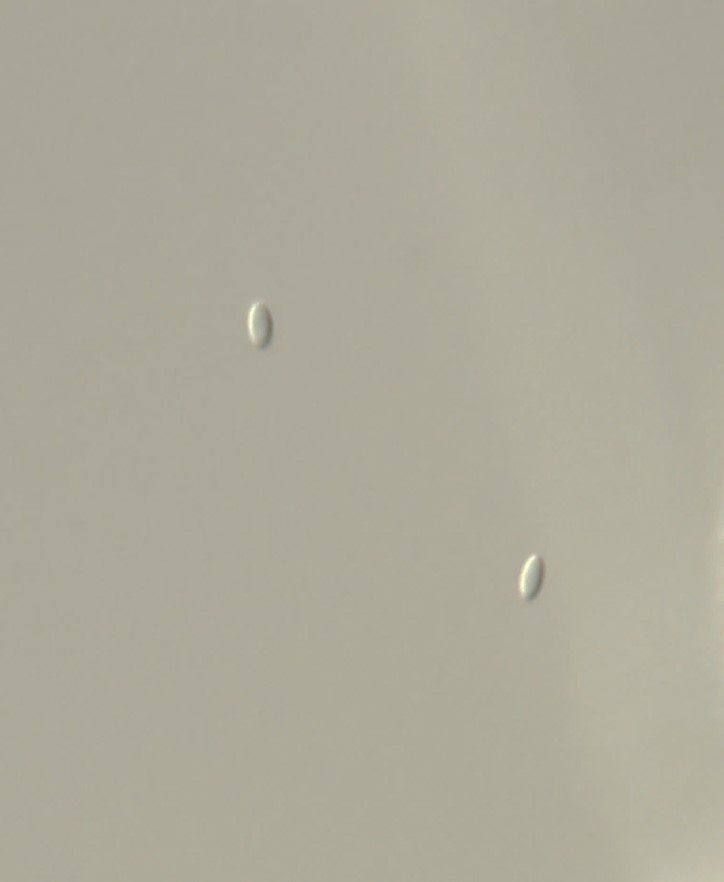
Spider host fully covered by yellow mycelial mat. Synnemata consisting of multiseptate longitudinal hyphae, numerous, arising from all over the host body, yellowish white, cylindrical, slightly narrowing towards the indistinct enlarged tip, 5 mm long, 150 µm wide. Conidiophores arising from a network of hyphae loosely attached to the surface of the synnemata along the entire length of synnemata, except for the base, roughened conspicuous, 87.5–250 × 6–10 µm, becoming short towards the tip of synnemata, abruptly tapering into a slender apex and terminating in a swollen vesicle, bearing a group of metulae, phialides and forming a spherical conidial head, 34–41 µm diam. Vesicles subglobose to globose, 9–11 µm diam. Metulae borne on vesicle, broadly obovoid, 8–10 × 6–8 µm, bearing phialides. Phialides narrowly clavate to cylindrical, 6–9 × 2–3 µm, each bearing a single conidium. Conidia ellipsoid, occasionally with an indistinct acute apex, 2–4 × 1–1.5 µm. Sexual morph and Granulomanus synasexual morph not observed.
Culture characteristics:
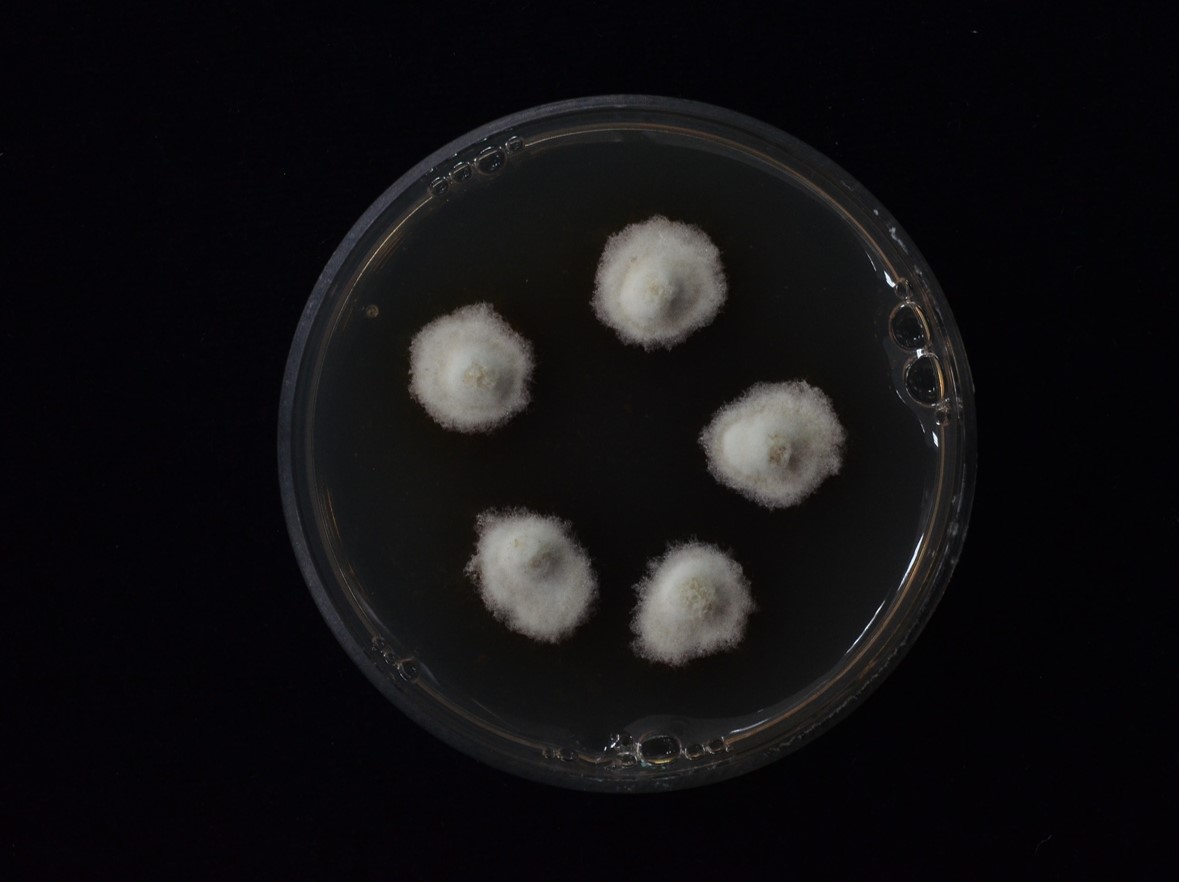
Colonies on PDA attaining a diam of 1.3 cm in 20 d at 25 °C, white, cottony; reverse pale brown, becoming dark brown with age at the centre.
Reference:
Kuephadungphan W, Petcharad B, Tasanathai K, et al. (2022). Multi-locus phylogeny unmasks hidden species within the specialised spider-parasitic fungus, Gibellula (Hypocreales, Cordycipitaceae) in Thailand. Studies in Mycology101: 245–286.
DOI: https://doi.org/10.3114/sim.2022.101.04.Species |
Strain |
Compound |
Pubchem CID |
Biological activity |
Reference |
|---|
|
Strain |
ITS | RPB1 | TEF1 |
|---|---|---|---|
| BCC 47555 | MH532885 | MH521804 | MH521897 |