
Holotype:
THAILAND, Nakhon Ratchasima Province, Khao Yai National Park, 30 Aug. 2011, K. Tasanathai, P. Srikitikulchai, S. Mongkolsamrit, holotype BBH 31330, ex-type living culture BCC 49748.
Habitat:
Underside of a dicotyledonous leaf.
Host:
On Theridiidae.
Description:
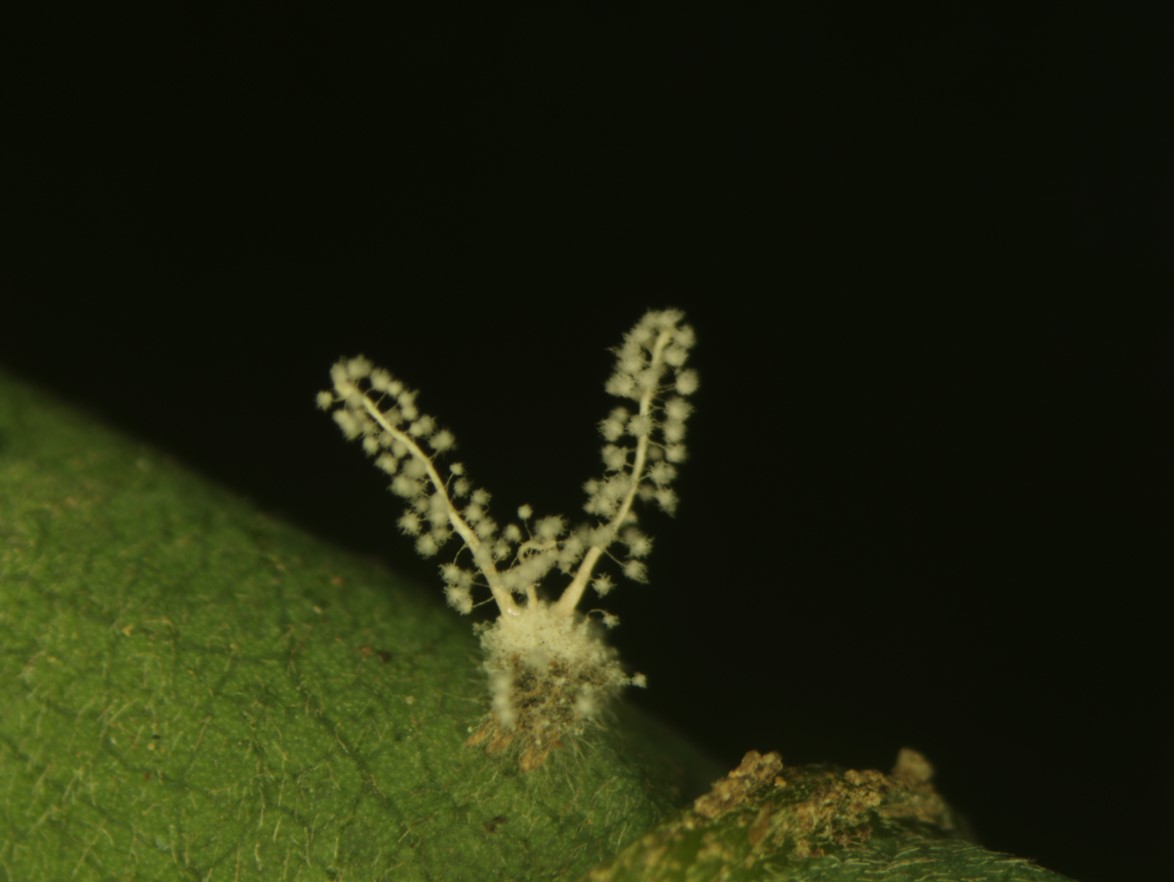
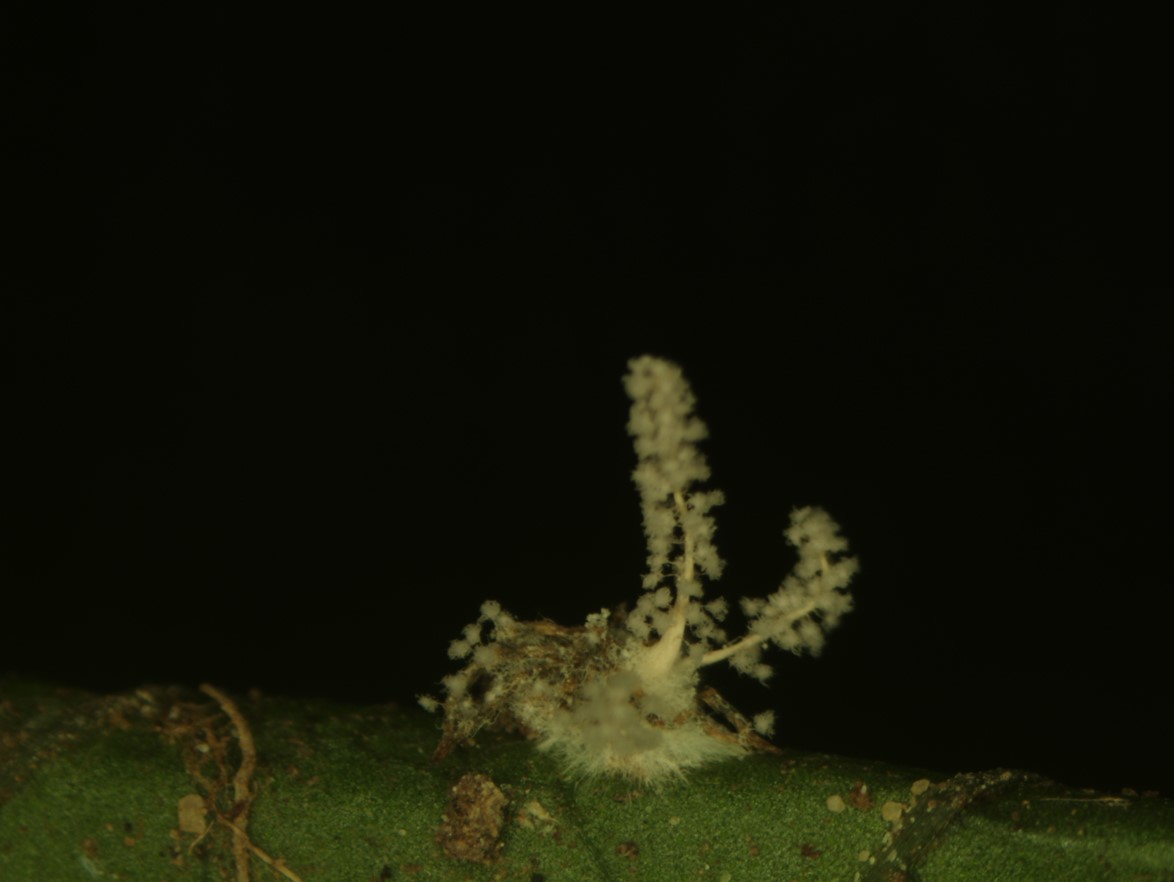
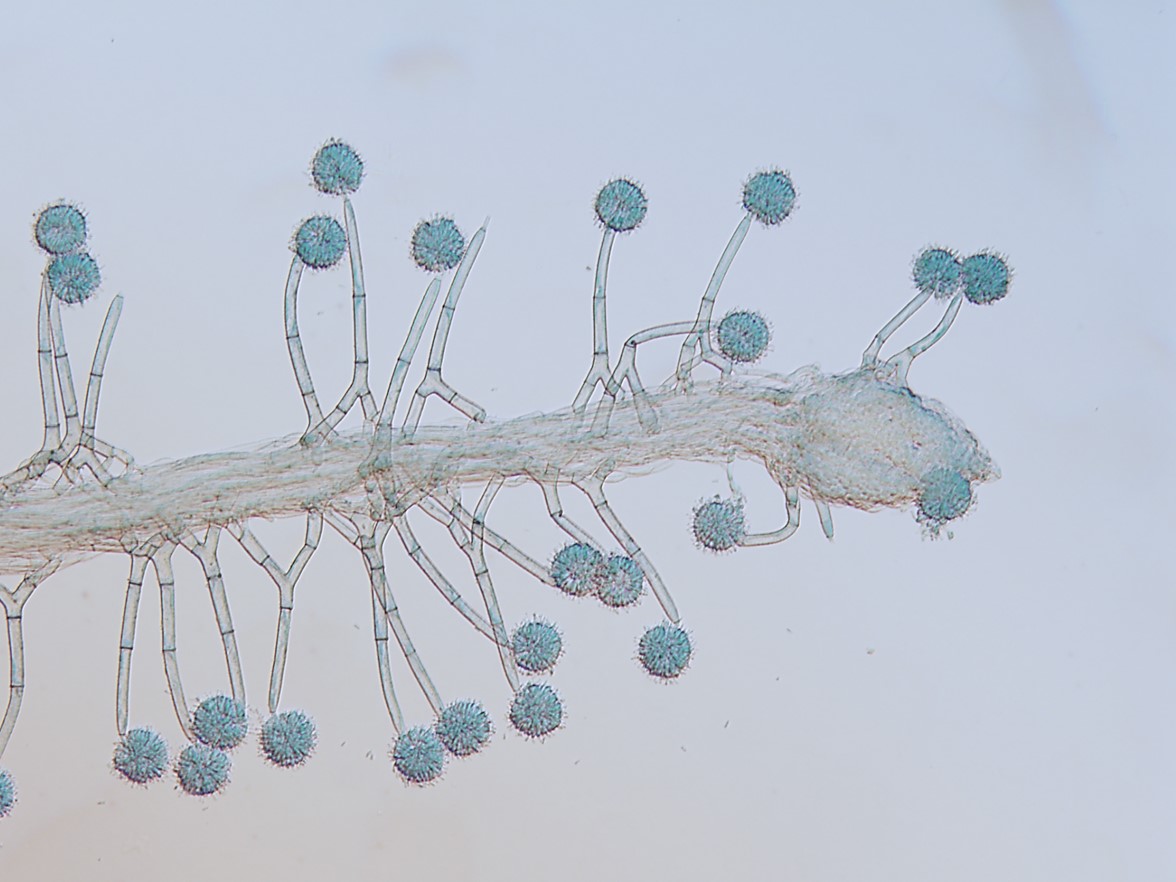
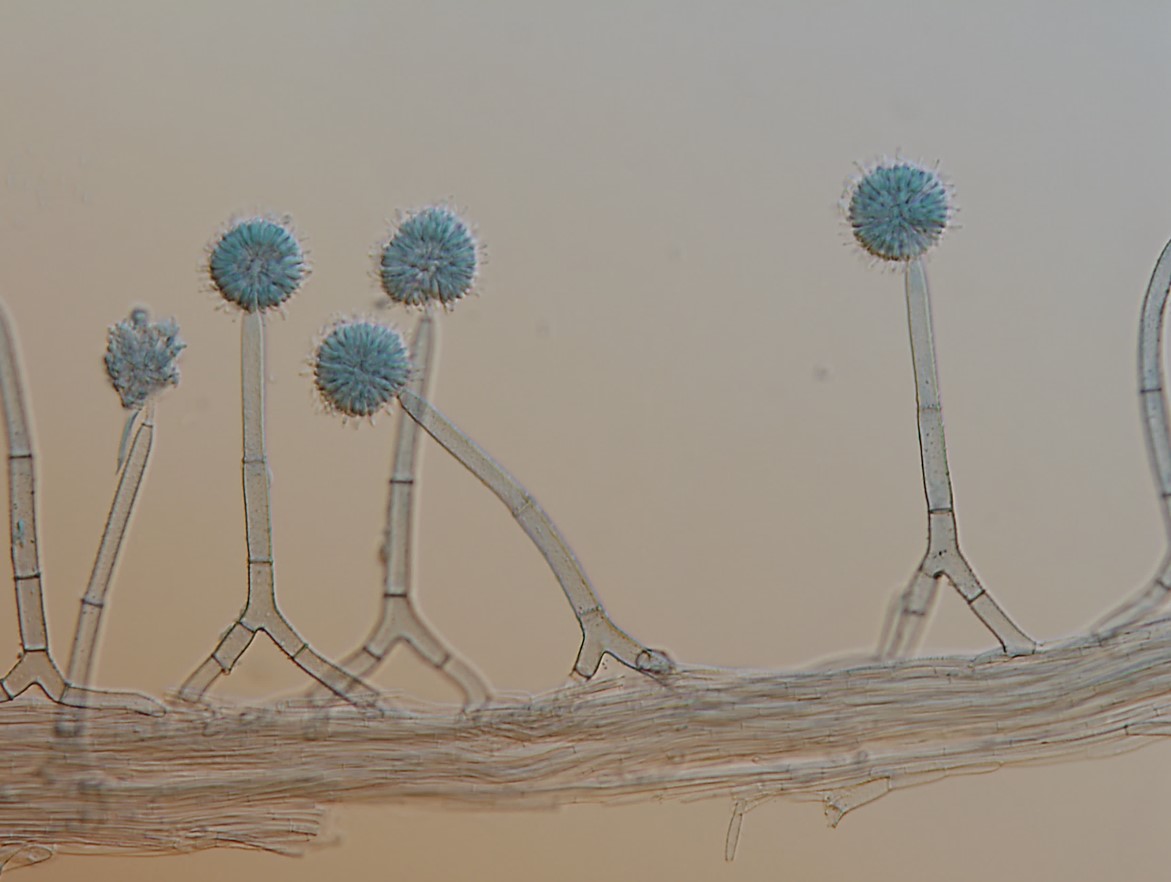
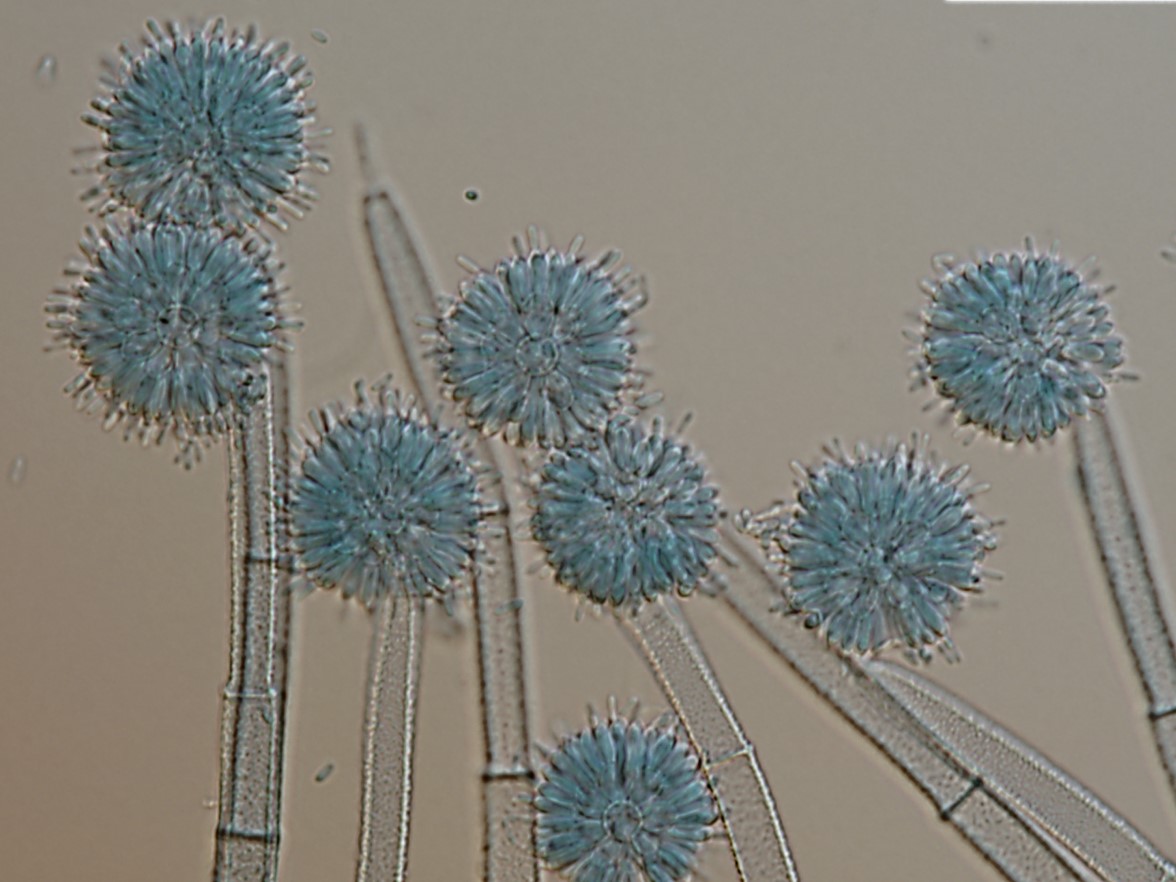
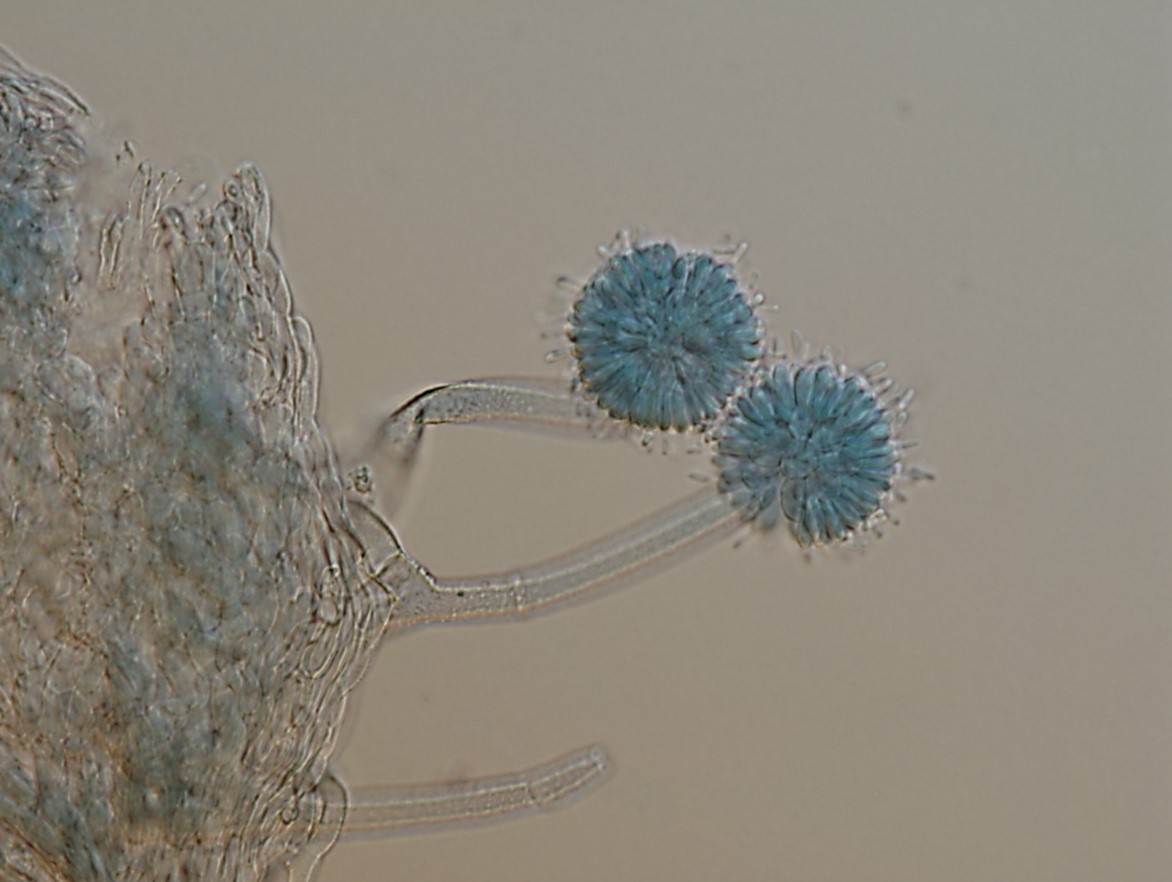
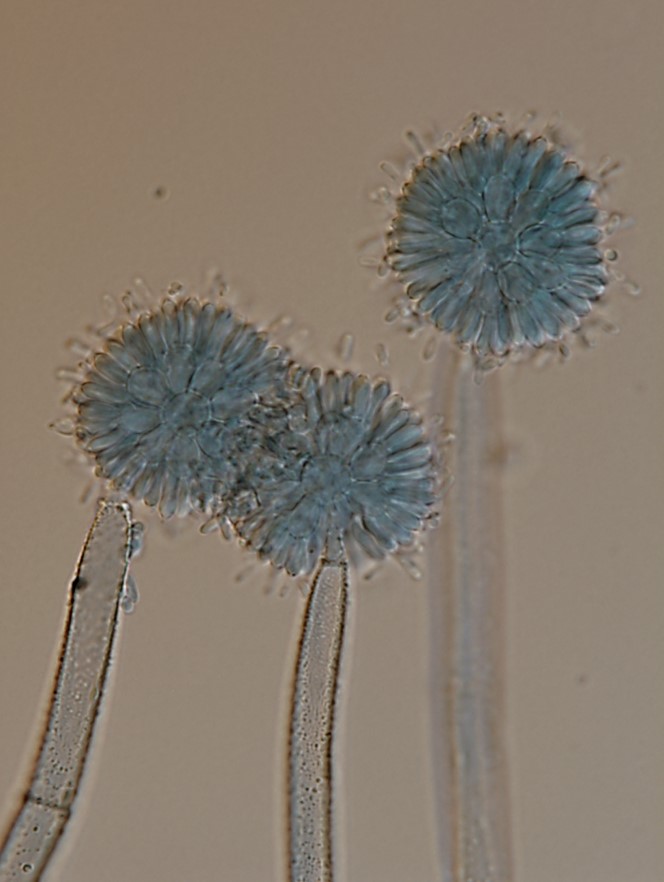
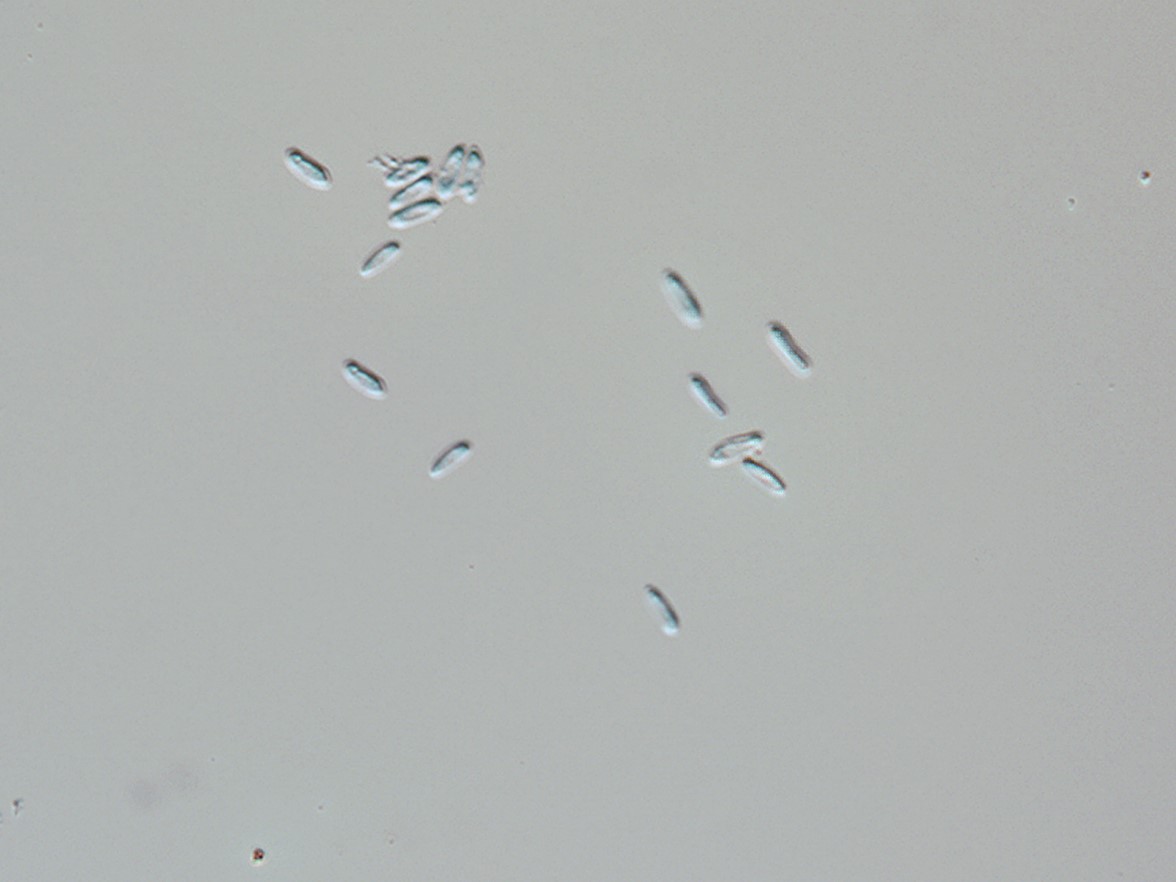
Spider completely covered by a yellowish white mycelial mat. Synnemata yellowish white, a pair of two, cylindrical, swollen into an ovoid tip, 125 µm wide. Conidiophores arising from the mycelium covering the host and from a network of hyphae loosely attached to the surface of the synnemata, along its entire length, crowded, septa conspicuous, verrucose, 47.5–185 × 6–11 µm, narrowing abruptly to a slender apex, and terminating in a swollen vesicle. Vesicles globose to subglobose, 6.5–9 µm diam, bearing multiple broadly obovoid metulae, 6–10 × 4.5–8 µm. Phialides borne on metulae, narrowly clavate to cylindric with both round ends, 6–10 × 2–4 µm, each bearing a conidium or occasionally a chain of conidia. Conidia narrowly ovoid or narrowly ellipsoid or bacilliform, 4–6 × 2–4 µm. Vesicle, metulae and phialides forming spherical conidial heads, 30–40 µm diam.
Culture characteristics:
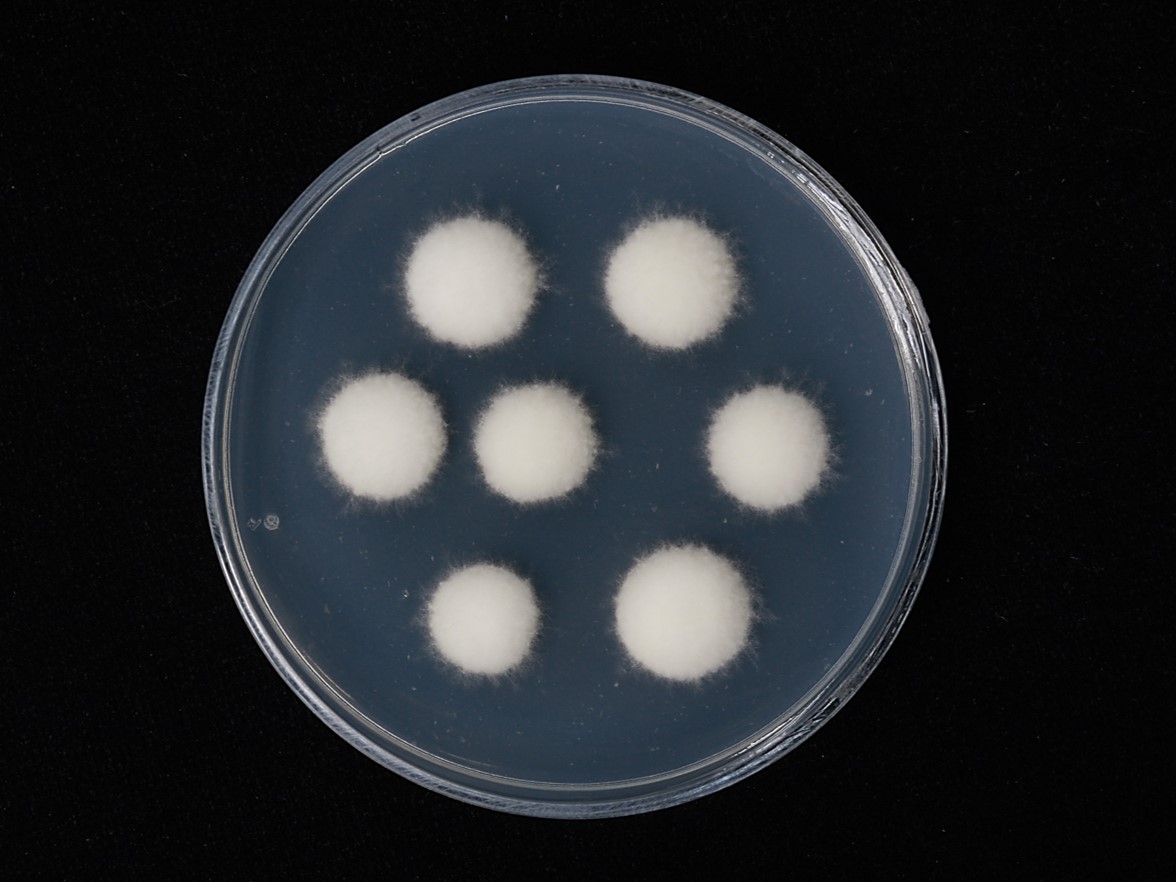
Colonies on PDA attaining a diam of 1 cm in 20 d at 25 °C, white, cottony; reverse light brown, darkening with age toward center.
Reference:
Kuephadungphan W, Petcharad B, Tasanathai K, et al. (2022). Multi-locus phylogeny unmasks hidden species within the specialised spider-parasitic fungus, Gibellula (Hypocreales, Cordycipitaceae) in Thailand. Studies in Mycology101: 245–286.
DOI: https://doi.org/10.3114/sim.2022.101.04.Species |
Strain |
Compound |
Pubchem CID |
Biological activity |
Reference |
|---|
|
Strain |
ITS | LSU | RPB1 | RPB2 | TEF1 |
|---|---|---|---|---|---|
| BCC 49748 | OK040732 | OK040709 | OK040718 | OK040726 | OK040700 |