
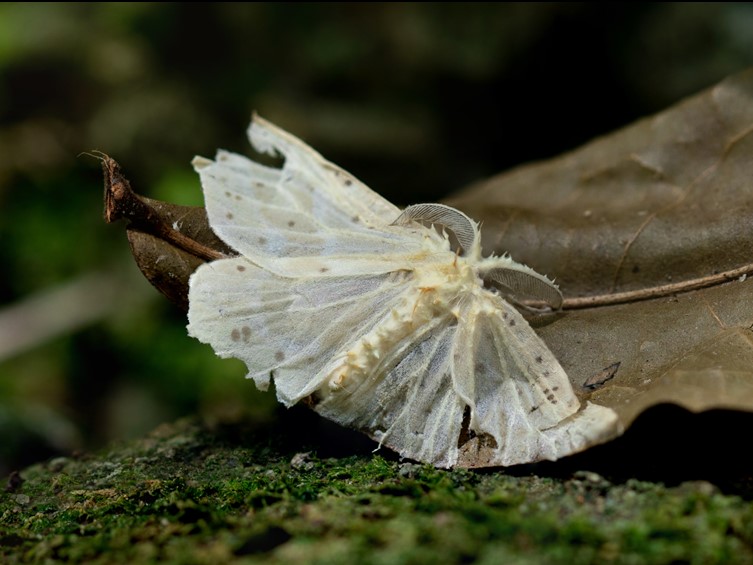
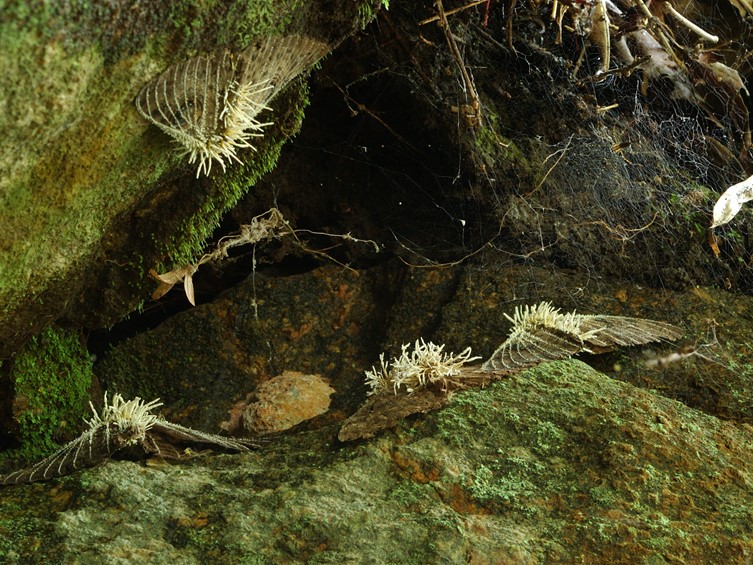
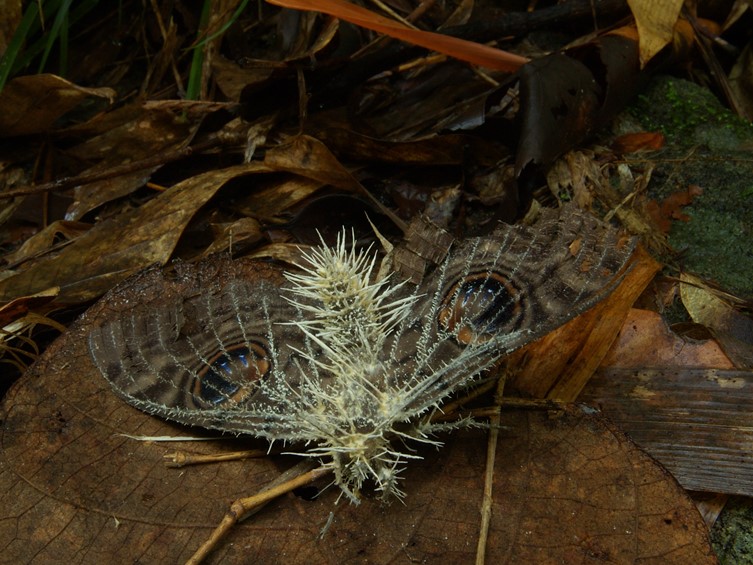
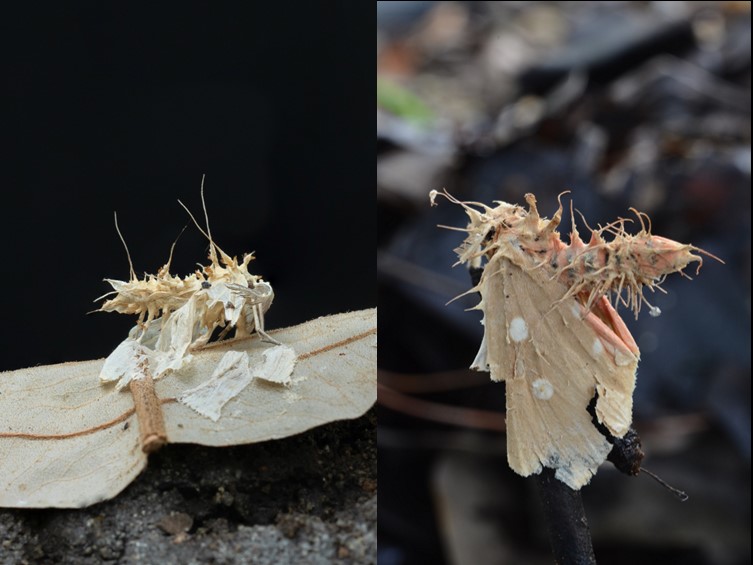
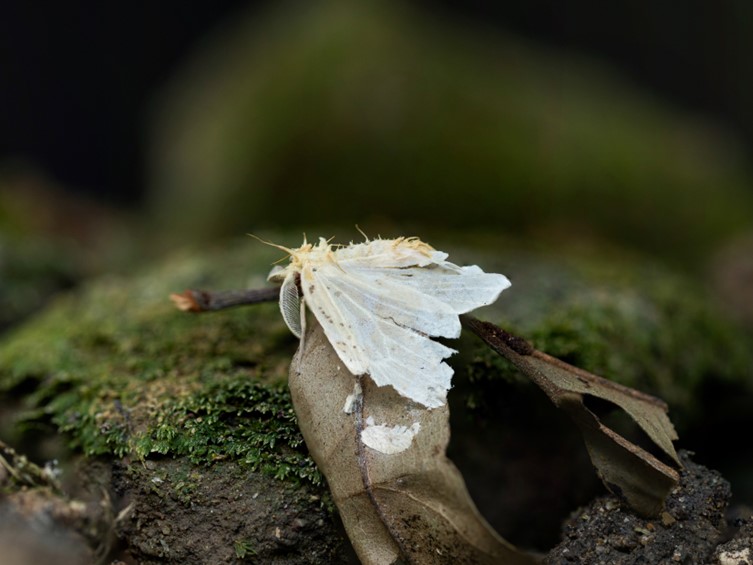
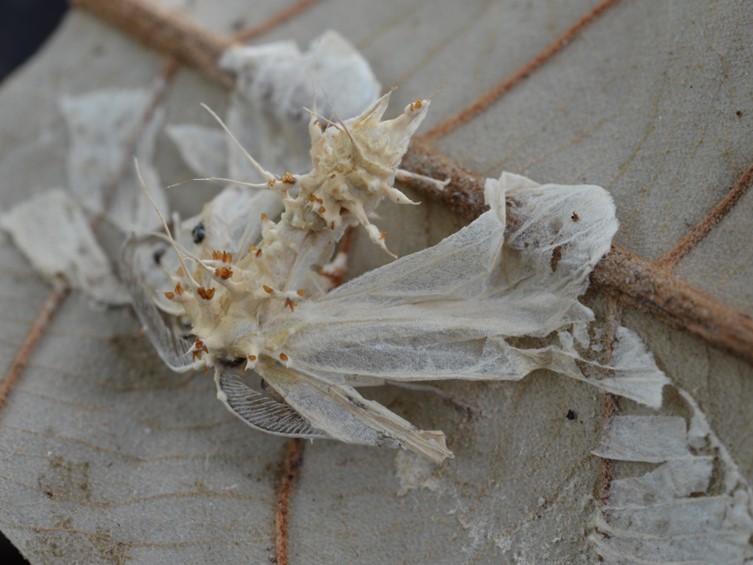
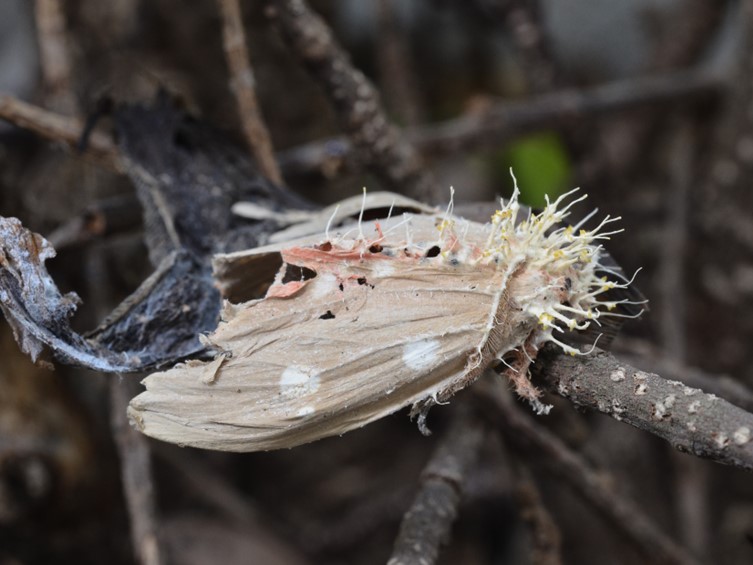
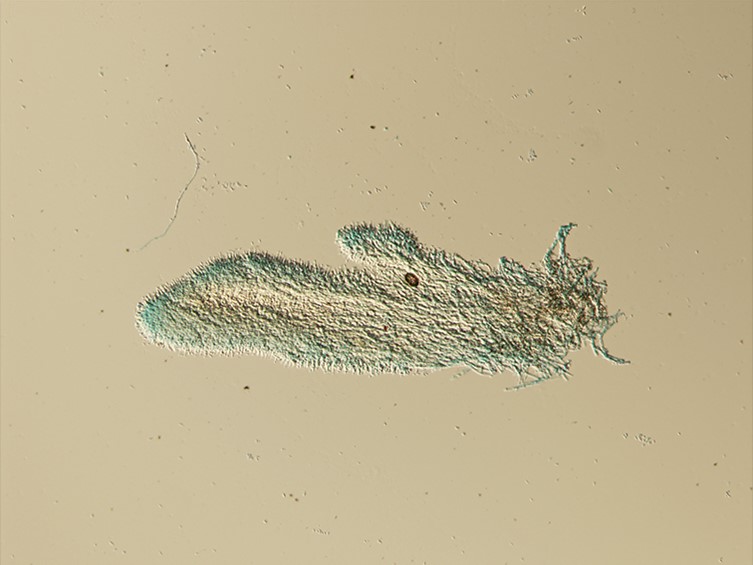
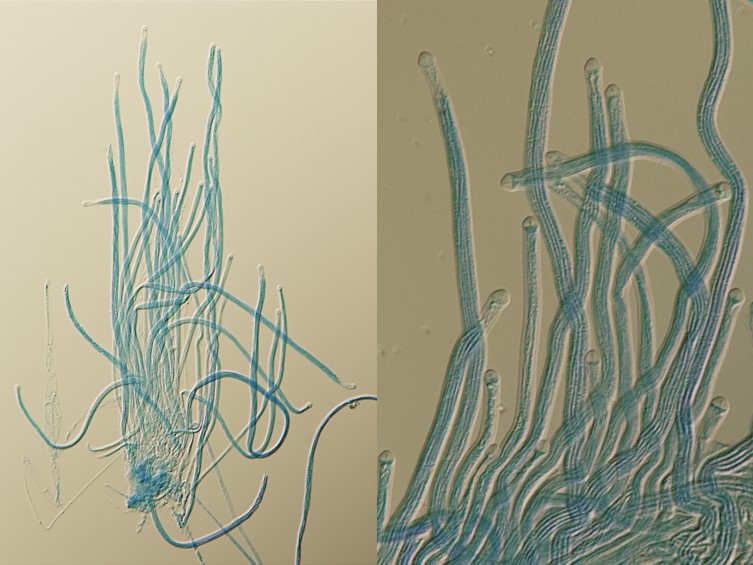
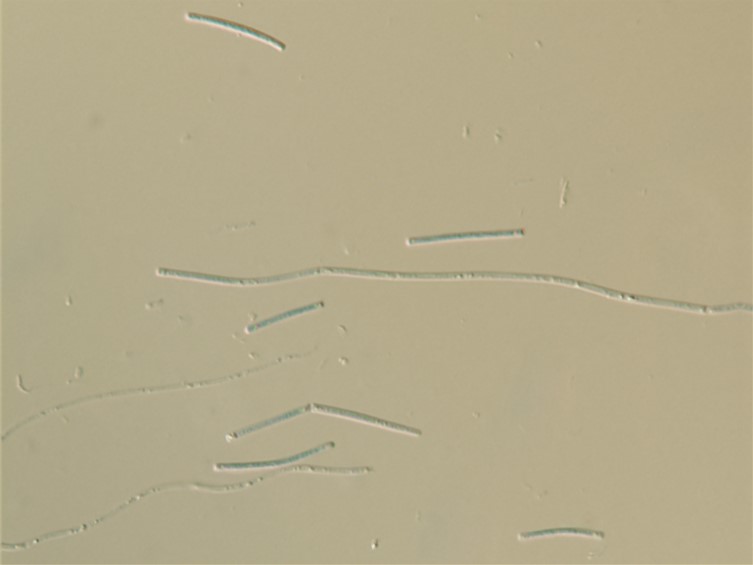
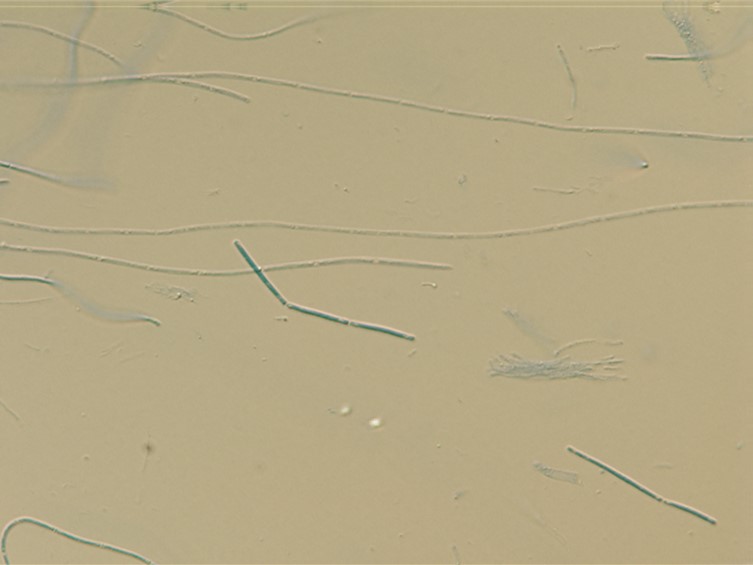
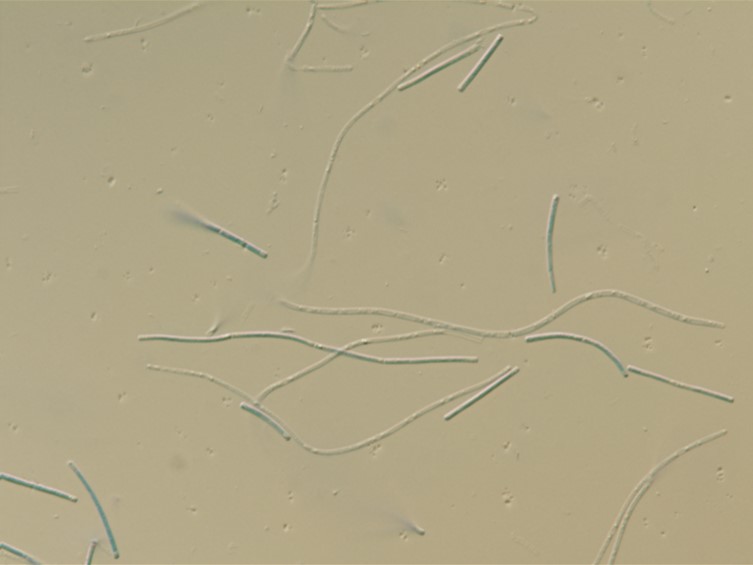
Holotype:
THAILAND, Chiang Mai Province, Chiang Mai City, Sansai District, Maejo Farm, 22 August 2018, Hong Yu, holotype YHH 2301010, ex-type living culture YFCC 1808943
Habitat:
Underside of a dicotyledonous leaf
Host:
Adult moth (Noctuidae)
Description:
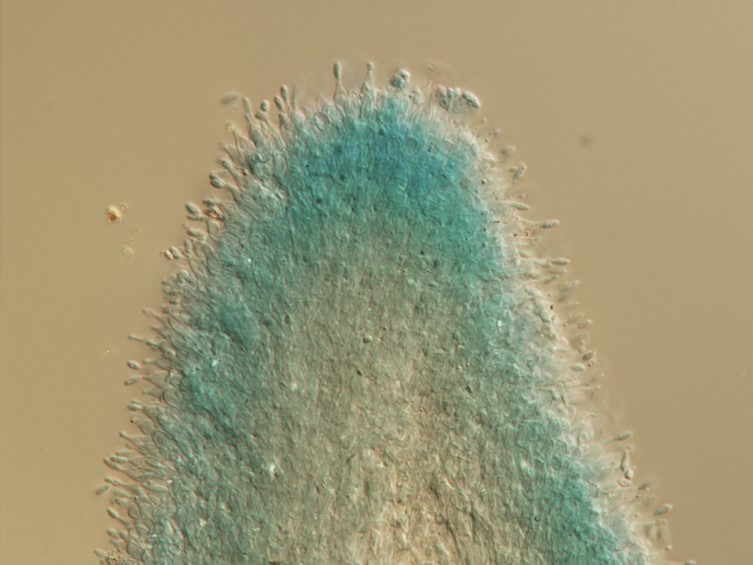
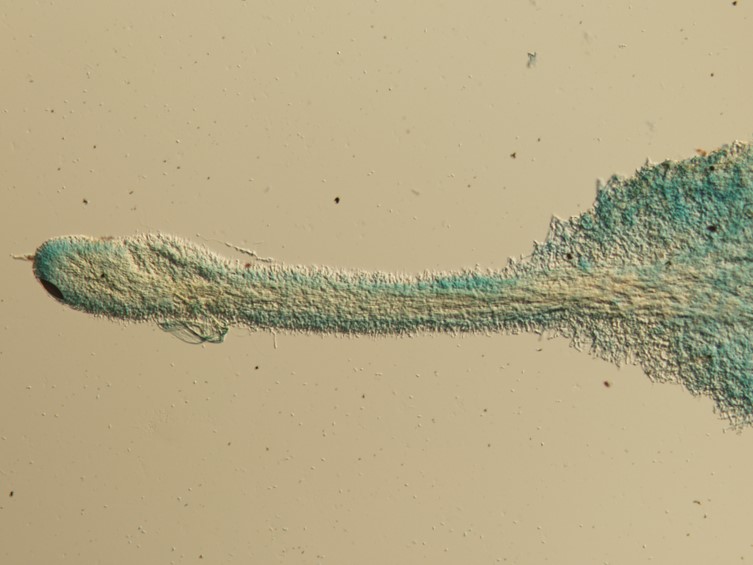
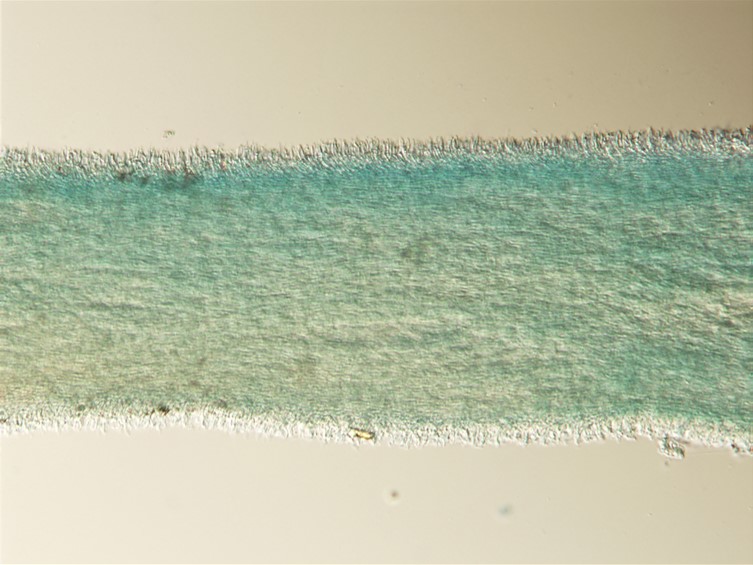
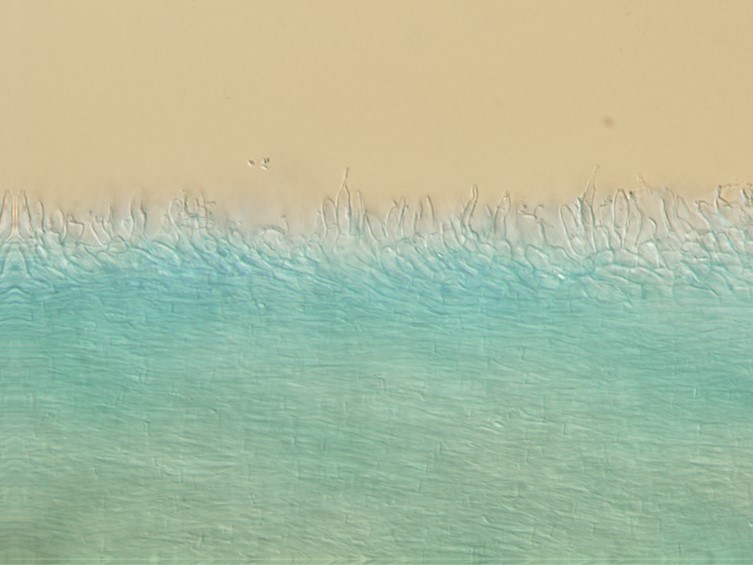
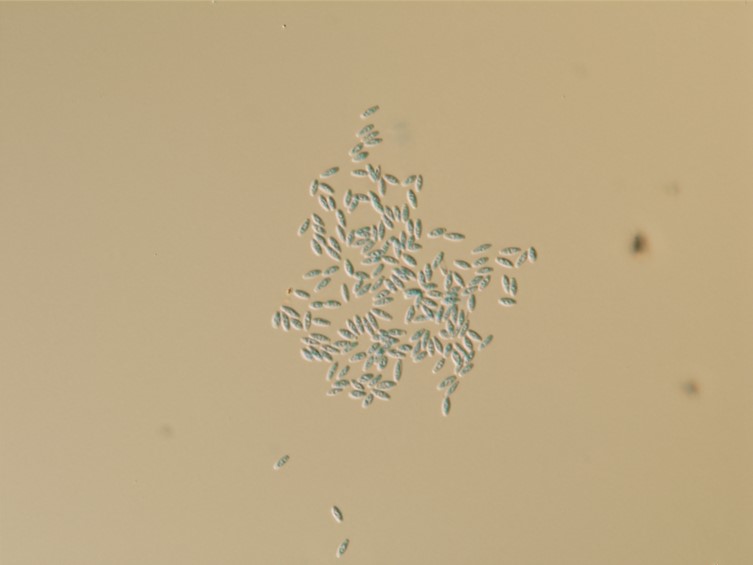
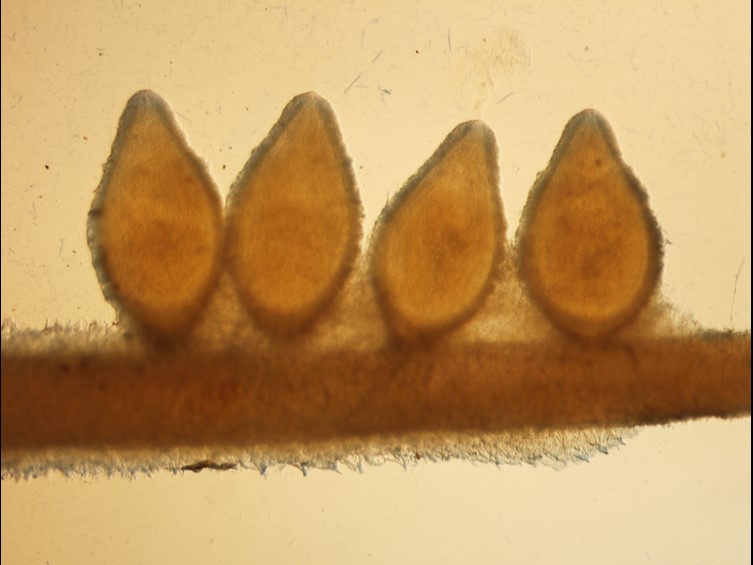
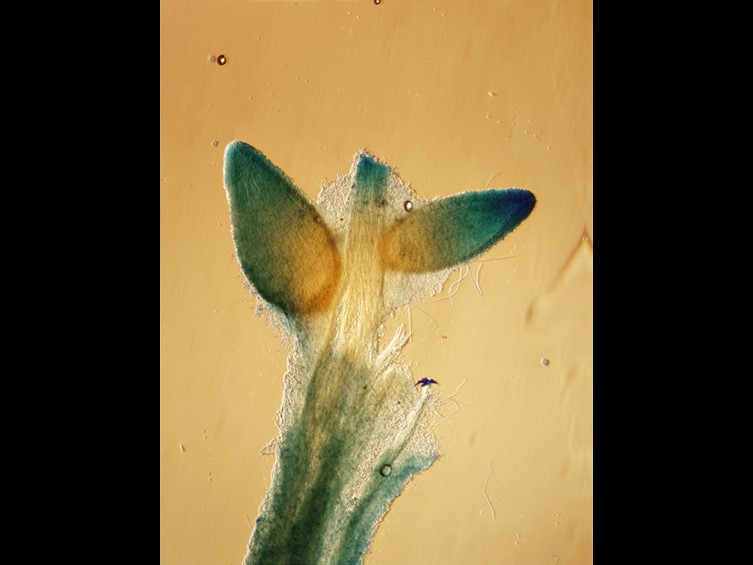
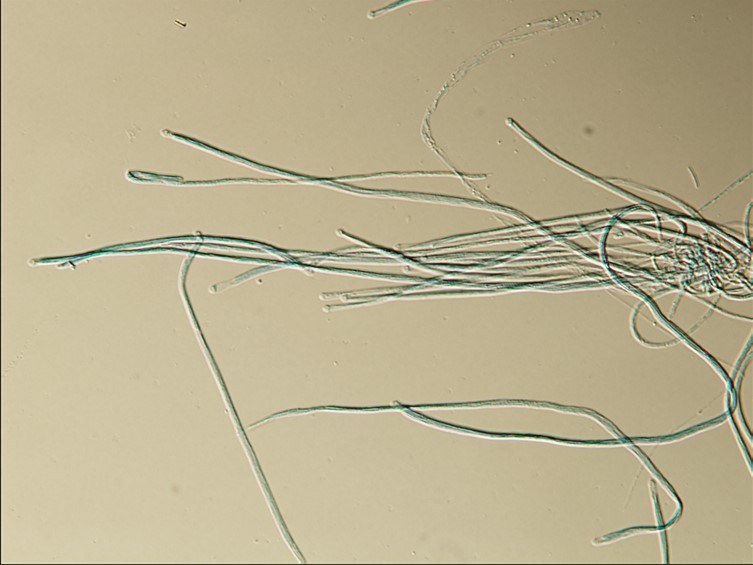
Asexual morph: Synnemata scattered, arising from different parts of the hosts’ body, simple, occasionally curved. Two types of synnemata were observed on adult moths: Long synnemata arising from the thorax and abdomen of the hosts, filiform, simple, occasionally curved, white. Conidiophores densely compacted into a layer along the synnemata, cylindrical, mononematous. Phialides solitary, monophialidic or polyphialidic, ampulliform, obclavate, obpyriform, lageniform, smooth-walled, hyaline, 6–13 × 2−4 µm. Conidia 1-celled, obovoid, smooth-walled, hyaline, 3–6 × 1.5−2 µm. Short synnemata scattered, arising different parts of the host body, filiform, simple, solitary, occasionally curved, white, light yellow, pale yellow, 1−30 mm long. Conidiophores densely compacted into a layer along the synnemata, cylindrical, mononematous. Phialides solitary, monophialidic or polyphialidic, ampulliform, obclavate, obpyriform, lageniform, smooth-walled, hyaline, 4–17 × 2−4 µm. Conidia 1-celled, obovoid, smooth-walled, hyaline, 3−5 × 1.5−2.5 µm. Sexual morph: Specimens found on adult moths (Arctiidae, Erebidae, Lymantriidae), on the stem of living plants and underside of dicotyledonous leaves. Perithecia superficial, scattered on the host body, crowded at the apex of synnemata, occasionally scattered on the lateral of filiform synnemata, ovoid, strong orange, brownish orange, 550–750 × 220–440 µm. Asci cylindrical, hyaline, 263–418 × 3−5 µm. Asci caps umbonate, hyaline, 3−4 × 4−5 µm. Ascospores filiform, multi-septate, breaking into part-spores, hyaline. Part-spores cylindrical, hyaline, 4–20 × 0.5−1 µm.
Culture characteristics:
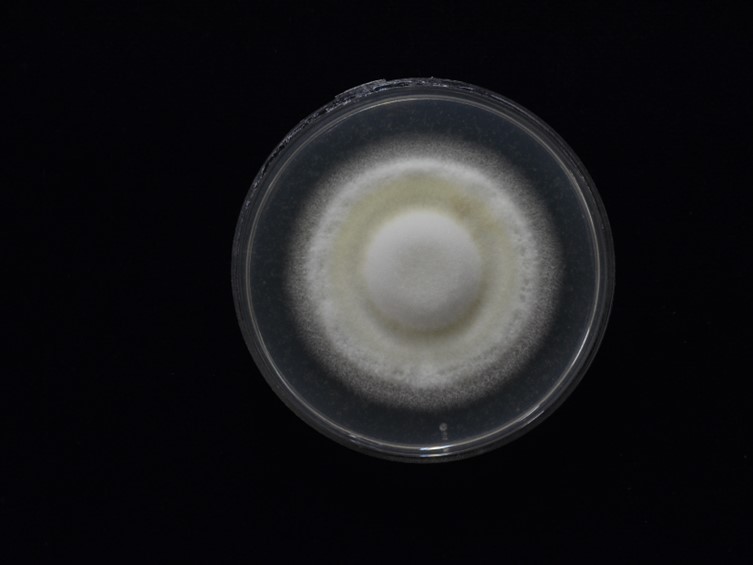
Colony on PDA compact, umbonate, cottony, entire margin, attaining a diam of 31–34 mm in 20 d, white with light greenish yellow. Conidia and reproductive structures are not observed on both media after 30 d of incubation at 25 °C.
Reference:
A. Khonsanit, D. Thanakitpipattana, S. Mongkolsamrit, et al. (2024). A phylogenetic assessment of Akanthomyces sensu lato in Cordycipitaceae (Hypocreales, Sordariomycetes): introduction of new genera, and the resurrection of Lecanicillium. Fungal Systematics and Evolution14:271–305.
DOI: https://doi.org/10.3114/fuse.2024.14.17Wang Y, Wang ZQ, Luo R, et al. (2024). Species diversity and major host/substrate associations of the genus Akanthomyces (Hypocreales, Cordycipitaceae). MycoKeys_101: 113–141.
Species |
Strain |
Compound |
Pubchem CID |
Biological activity |
Reference |
|---|
|
Strain |
|---|